

The frenzy of launches in the Indian automotive calendar finally seemed to slow down as 2025 drew to a close. After weeks of dust, noise, pollution, and back-to-back unveilings in Delhi, it felt refreshing to end the year somewhere calmer and far more relaxed – Bengaluru.
This was the final major media drive of the season, and it featured Kia’s most important product in India: the new Kia Seltos. A few weeks after its official launch in Hyderabad, Kia gave us a proper chance to live with the updated Seltos on real roads. And first impressions were immediate and unmistakable — this Seltos has grown in size, presence, and confidence.
For Kia, the Seltos is the car that, since its original debut, has been the brand’s MVP, the product that cemented Kia’s position in India almost overnight. In markets abroad, Kia has often been viewed as a value-driven or budget-friendly brand. But in India, the Seltos flipped that narrative completely. It arrived with a bold design, premium interiors, segment-first tech, and a wide range of powertrains, positioning Kia as a new-age, upmarket manufacturer.
Get to 2025, and the timing of this update couldn’t be better. Kia is pushing hard to strengthen its market share and make a serious play for a spot among India’s top three automakers. And the Seltos, once again, is expected to do the heavy lifting.
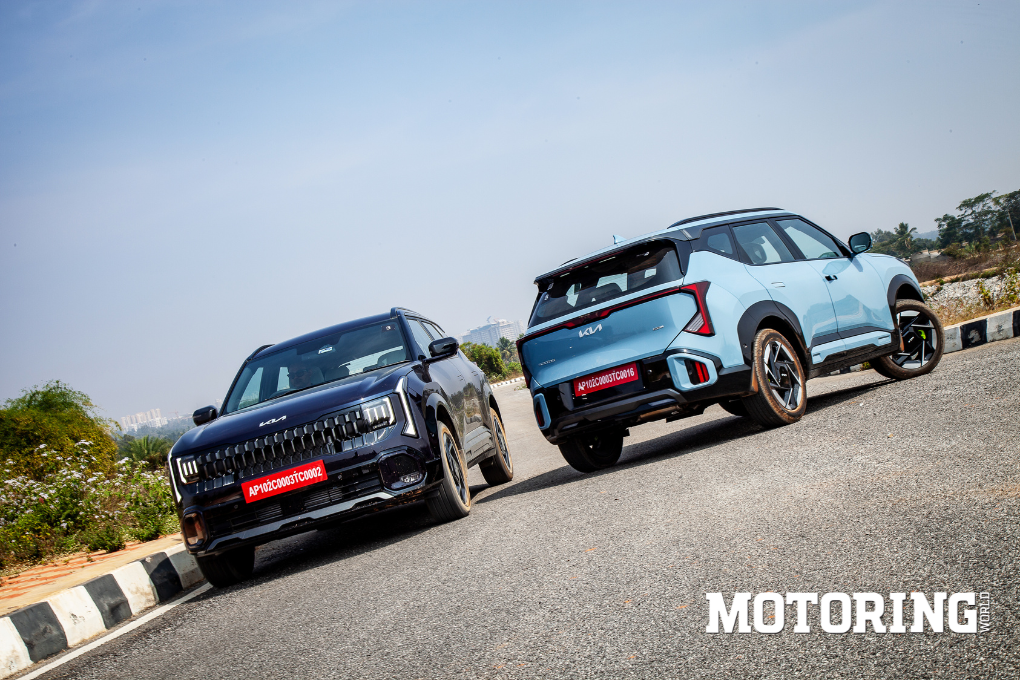
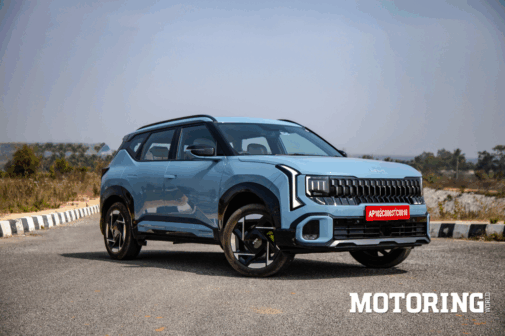
At first glance, the new Seltos looks familiar, and that’s a good thing. Kia hasn’t reinvented the wheel here. Instead, it has refined and amplified what already worked. Up front, the SUV looks wider and more planted. The proportions feel better balanced, and the overall stance is noticeably bolder. But one noticeable thing is the huge gaps in the grille, which are wide enough for stones to enter and hit the radiators, but other than that, the new Seltos has a lot going for it in terms of design.
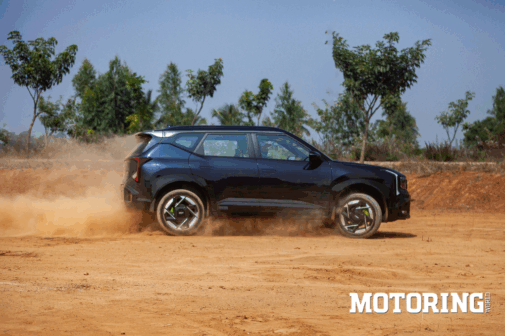
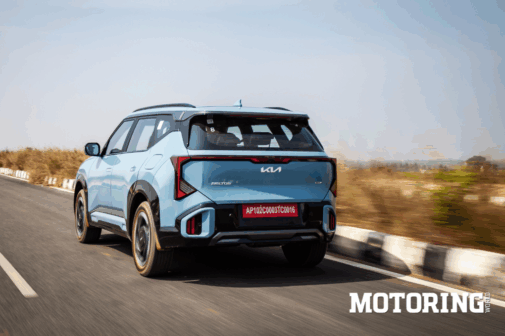
From the side, the increase in length is evident. The car feels less stubby than before, with cleaner lines and more visual mass. There’s a stronger road presence now, something that becomes even more apparent when you spot the Seltos in your rear-view mirror—it looks wide and properly SUV-like. This subtle growth plays a big role in how the car feels dynamically, something that became clear the moment we set off from our hotel.
The very first thing you notice from behind the wheel is how well put together the new Seltos feels. There’s a newfound sense of solidity, especially at city speeds. The earlier car always felt competent, but this one feels more mature. Bigger really does seem to be better here; the nervousness or slight twitchiness that some drivers felt in the older generation has been engineered out.
As we headed towards faster stretches and some open highway sections, the improvements became even more obvious. High-speed stability has taken a big step forward. Whether it was acceleration, lane changes, or hard braking, the Seltos remained planted and reassuring. This sense of stability is arguably the biggest upgrade. Despite its increased size, the car still feels easy to place on the road and surprisingly agile.
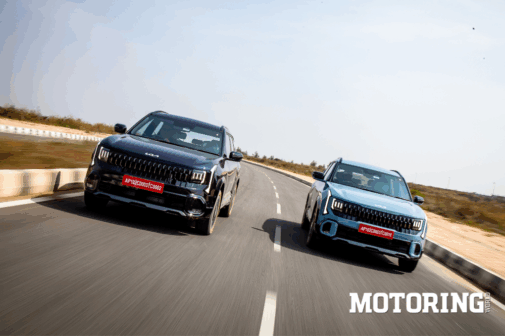
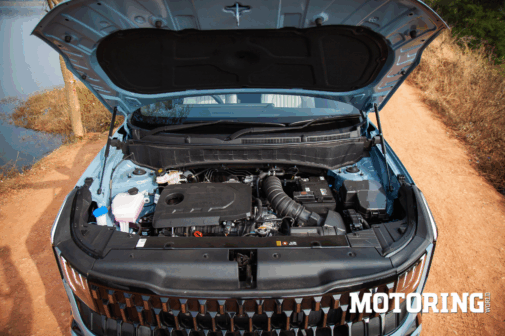
Kia has always excelled at offering choice, and the Seltos continues that tradition. You still get petrol and diesel engines, paired with a wide variety of gearboxes — manuals, automatics, and dual-clutch units, allowing buyers to pick exactly what suits their needs.
Having driven both petrol and diesel variants back-to-back, the petrol engine stands out as the enthusiast’s choice. The 1.5-litre turbo-petrol is a gem, producing around 116 bhp, more than enough for effortless highway cruising and quick overtakes. Power delivery is smooth, linear, and responsive, making it genuinely enjoyable to drive. We saw an indicated fuel efficiency figure of around 17 kpl during our short stint, which is impressive considering the performance on offer.

The diesel, on the other hand, plays a different tune. It’s more relaxed and delivers power more calmly; to put it politely, it feels a bit slow compared to the petrol. While it lacks the instant punch of the petrol, it remains perfectly adequate for everyday use and long-distance driving. For buyers prioritising mileage and torque over outright performance, the diesel still makes a lot of sense.
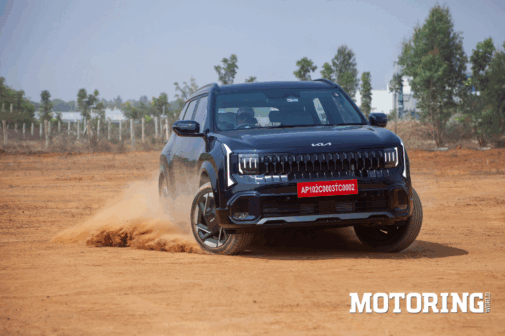
Ride and handling are where the new Seltos really surprised us. The suspension setup leans slightly towards comfort, but without becoming floaty or wallowy. It absorbs bumps well, deals with broken patches confidently, and remains composed even when pushed a bit harder. On twisty sections and quick direction changes, the car holds its line well. Under hard braking, it stays straight and stable, something that immediately boosts driver confidence. Unlike before, the Seltos no longer feels light on its feet at speed. Once again, the increase in size has worked in its favour.
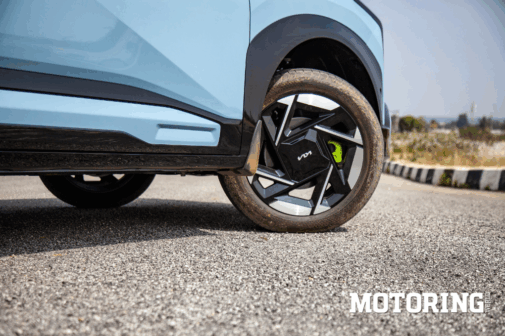
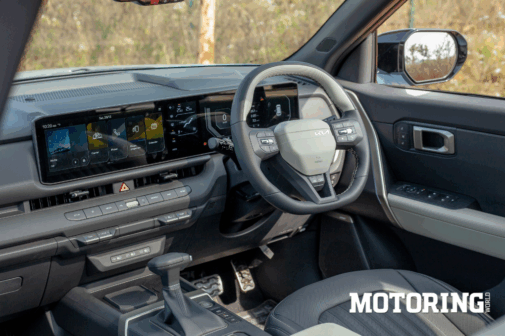
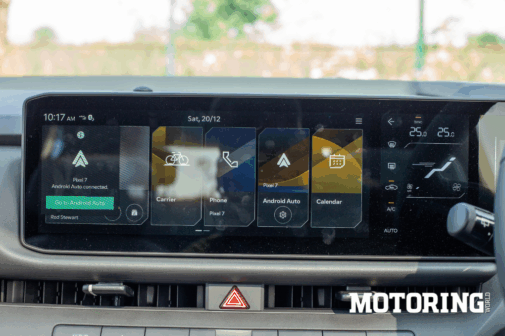
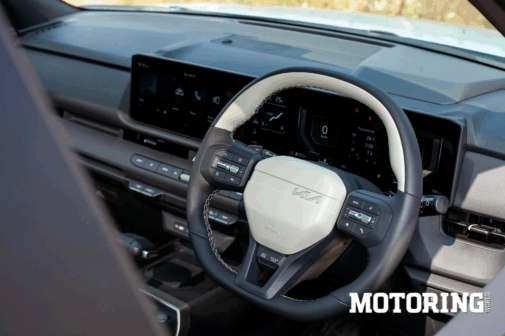
Inside, it’s immediately clear that Kia has listened to customer feedback. The cabin feels more premium, more modern, and far more user-friendly than before. The highlight is the new twin-screen layout: a digital instrument cluster paired with a large infotainment display, angled slightly towards the driver to create a cockpit-like feel. Wireless charging, connected tech, and creature comforts are all present, but what really stood out were the physical buttons. In an era where everything is buried inside touchscreens, Kia deserves credit for bringing back chunky, tactile controls for climate, volume, and frequently used functions. They feel solid, satisfying to use, and far less distracting while driving. It’s a small thing, but it makes a huge difference in everyday usability.
One of the biggest surprises was the seating. The front seats are supremely comfortable, with excellent support and cushioning. The headrests, in particular, caught my attention; they resemble the sculpted design of premium ergonomic office chairs (think high-end Herman Miller), and they’re genuinely comfortable to rest your head on. Rear seat space has improved noticeably. There’s ample legroom, good headroom, and a more airy feel overall. Long journeys should be comfortable for passengers, even with three adults at the back. Boot space stands at a generous 447 litres, making it one of the most practical SUVs in the segment. And yes, our regular ‘camera person test’ was conducted; Amit, our ace photographer, fit inside comfortably, confirming its real-world usability.
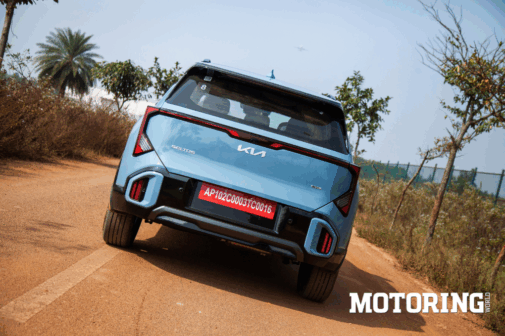
While Kia hasn’t disclosed full crash test results yet, the company has emphasised extensive use of high-strength steel and structural improvements. The Seltos is expected to perform well in the upcoming Bharat NCAP tests. On the feature front, you get a comprehensive suite of ADAS tech, multiple airbags, and all the safety tech you’d expect in a premium mid-size SUV today.
After spending time with the Seltos, it’s clear that this SUV has improved by leaps and bounds. It’s bigger, more comfortable, more stable, and more refined than before. Kia has addressed the shortcomings of the earlier model while doubling down on what made the Seltos such a hit in the first place: choice, comfort, technology, and everyday usability. In a fiercely competitive segment, the Seltos still retains a clear edge. It offers more space, more comfort, a wider range of powertrains, and a level of practicality that few rivals can match. Add to that Kia’s strong brand pull and feature-rich packaging, and you have an SUV that continues to set the benchmark. Bigger, in this case, really is better.