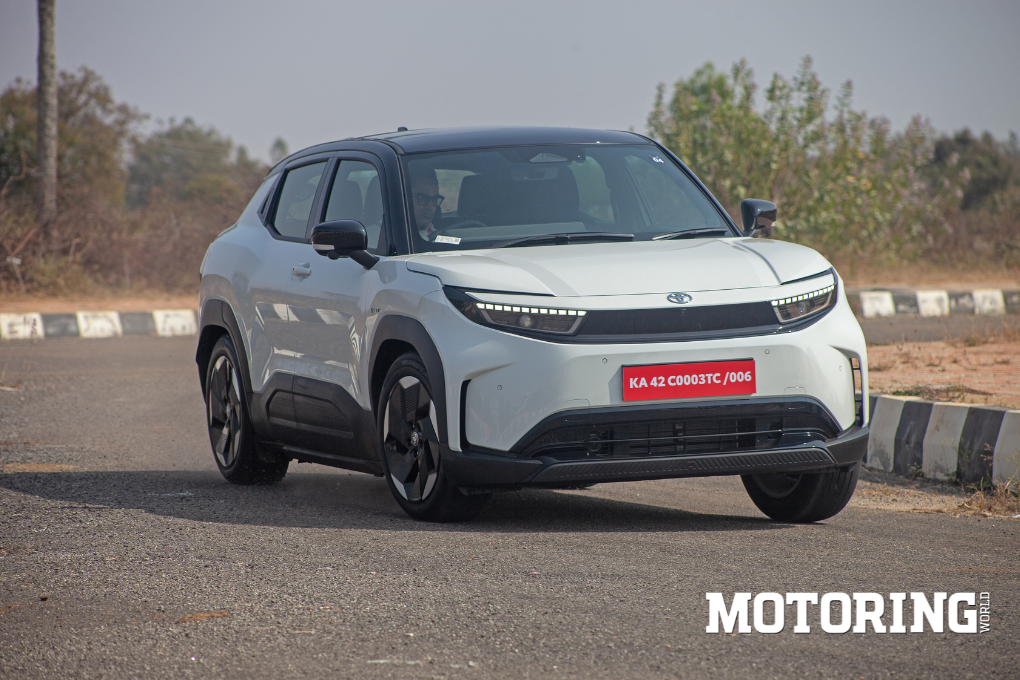


Toyota’s electric journey in India has taken a decisive step forward with the Urban Cruiser EBella. It represents Toyota’s carefully measured entry into all-electric mobility, built around collaboration, localisation, and, above all, long-term dependability.
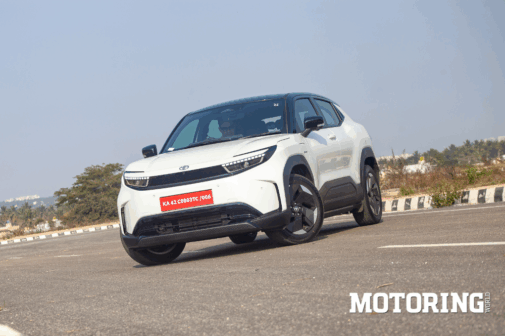
Even the name carries layered meaning. ‘EBella’ draws inspiration from the Italian word bella, meaning beautiful. It’s a fitting global blend; an Italian-flavoured name for a Japanese-engineered SUV built for India and the world. In many ways, the EBella reflects the modern automotive landscape itself: platforms and expertise shared across borders, shaped into products tailored for specific markets.
Our driving route in Bengaluru kept us away from the city’s notorious traffic, allowing us to focus on what matters. Underneath, the EBella shares its architecture with a broader alliance platform. But in today’s EV ecosystem, shared foundations are less about sameness and more about interpretation. Toyota’s interpretation leans firmly toward comfort, trust, and everyday usability, which are the brand’s core values.
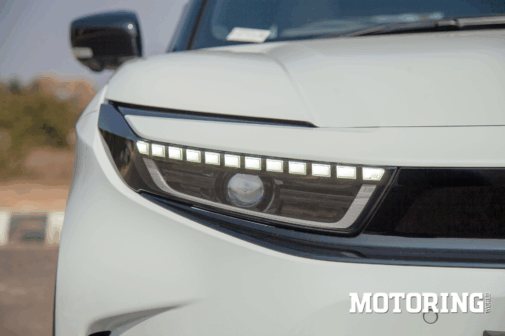
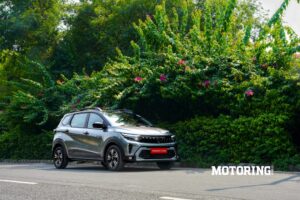
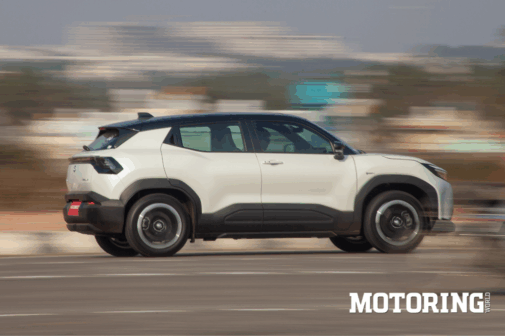
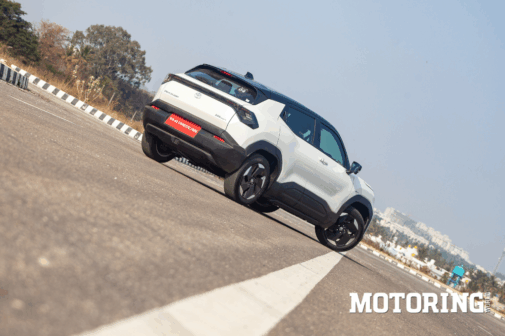
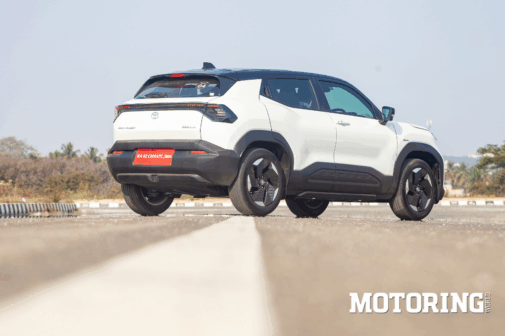
Visually, the EBella has a confident, contemporary presence. The front features Toyota’s hammerhead-inspired design language, lending the SUV a clean and assertive identity. Slim LED daytime running lamps and sharply detailed headlamps frame the face, while the lower bumper design adds visual width and solidity. In profile, its proportions remain balanced and uncluttered. Some substantial cladding (which could have been more subtle) and clean surfacing prevent the design from feeling overstyled. The 18-inch alloy wheels fill the arches neatly, giving it a grounded stance without unnecessary aggression. At the rear, combination lamps integrate smoothly into a sculpted tailgate, while a robust bumper reinforces durability. The overall design feels quite cohesive, restrained, and engineered to age gracefully.
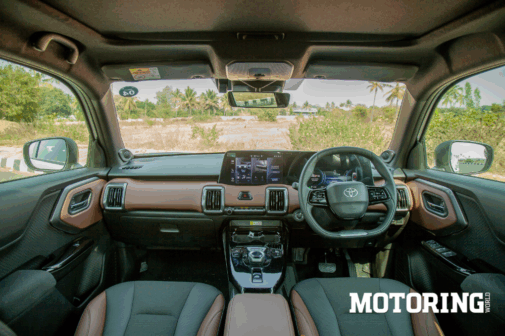
Step inside and the EBella’s focus on comfort becomes clear. A dual-tone interior theme creates a welcoming ambience, enhanced by a sunroof (not fully panoramic) that adds a sense of space for all occupants. The 10.1-inch infotainment system forms the digital centrepiece, paired with a JBL sound system, wireless charging, 12-colour ambient lighting, and other essentials. A floating centre console improves storage while lending the cabin a visual lightness. A distinctive two-spoke ‘squircle’ steering wheel adds character without compromising ergonomics. Driver comfort is a highlight. The 10-way power-adjustable front seat includes ventilation. Physical controls for climate and volume functions are retained, a welcome decision in an era of touchscreen-only interfaces.
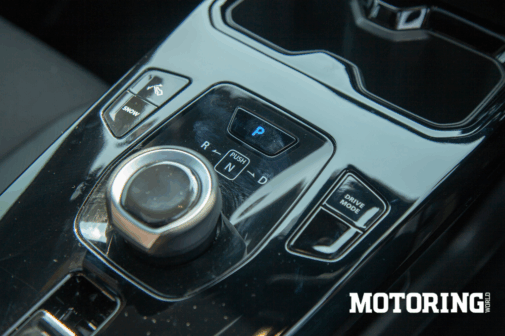
There are, however, minor usability quirks. Activating seat ventilation requires navigating multiple touchscreen menus, something that would benefit from a dedicated physical switch. Similarly, USB ports beneath the floating console are very awkward to access. These are small points in an otherwise thoughtfully laid-out cabin. Rear passengers are well catered to. The 40:20:40 split seats slide and recline, offering flexibility between comfort and luggage space. Material quality feels robust and well assembled, reinforcing Toyota’s reputation for longevity.
The EBella will be offered with two battery packs: 49 kWh and 61 kWh, both paired with a single electric motor. The larger battery produces 172 bhp and 19.68 kgm of torque, with a claimed range of up to 543 km. While our drive time was limited, the range calibration appeared realistic. On the move, the EBella delivers the smooth, near-silent acceleration expected from a modern EV. Power delivery is linear and predictable, making urban driving effortless. Instant torque ensures stress-free overtaking. Drive modes include Eco, Normal, and Sport, allowing drivers to tailor response levels. A single-pedal driving mode increases regenerative braking, proving useful in traffic while aiding efficiency. Ride comfort stands out. The suspension tuning feels well-suited to Indian conditions, and the battery’s thermal management system, along with protective underbody shielding, ensures composure over uneven roads. Safety remains central to the package. Seven airbags are standard, supported by Level 2 ADAS, a high-tensile steel structure, and chassis tuning focused on stability.
Toyota has also developed a comprehensive ownership ecosystem. Buyers get Assured Care service coverage, 24×7 roadside assistance, and nationwide BEV-trained technicians. Maintenance is designed to be efficient, with periodic services completed in approximately 45 minutes. Battery concerns are addressed through warranty coverage, Battery-as-a-Service options, and assured buyback or residual value programs. Charging support includes home solutions, dealership infrastructure, and partnerships with ChargeZone and Jio-bp to expand fast-charging access.
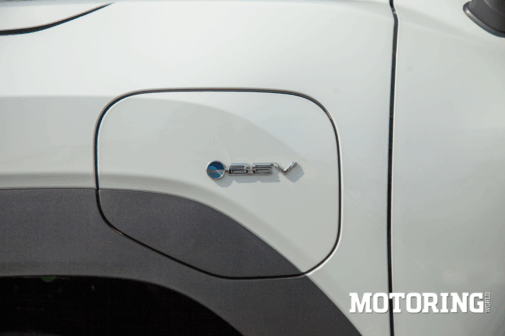
The Urban Cruiser EBella’s philosophy is clear. Rather than chasing headline performance figures, Toyota has prioritised practicality, comfort, and reassurance. That measured strategy mirrors its successful hybrid journey in India, which was based on steady adoption built on trust. The EBella may not be the most dramatic EV in its segment, but that restraint is its strength. It delivers future-ready design, usable real-world performance, strong safety credentials, and, crucially, the Toyota trust factor. With pricing expected soon, the Urban Cruiser EBella positions itself as a serious and sensible contender in India’s evolving electric SUV landscape