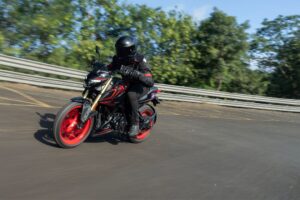
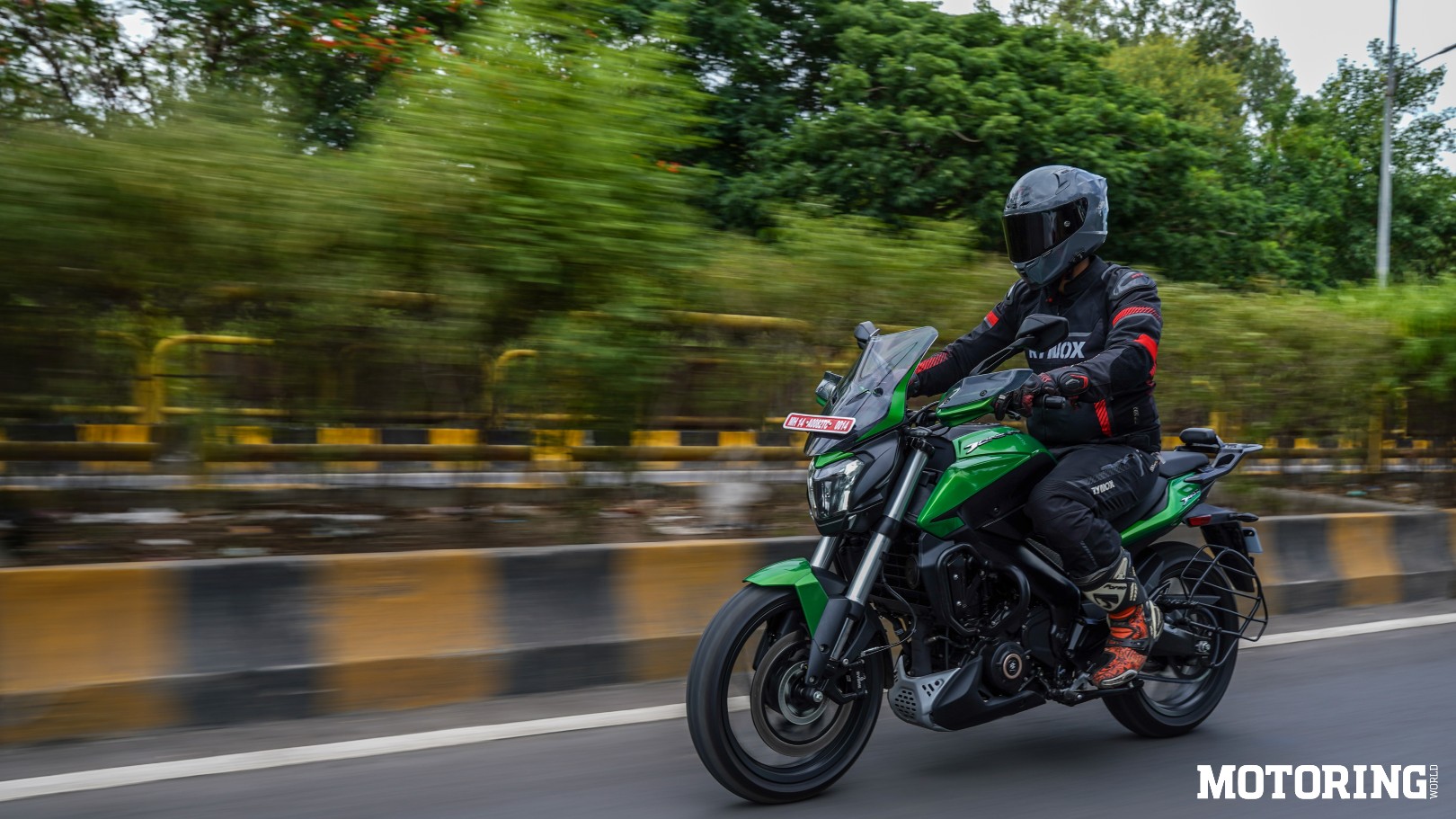


In the financial year 2025-26, Bajaj sold just 5,301 units of the Dominar 400. The year before that, it managed 5,493. A drop of just three per cent may not sound dramatic, but it highlights a larger problem. Ever since it was launched, the Dominar has struggled to find a place in the hearts (and garages) of Indian buyers.
Bajaj’s vision of a power cruiser never quite resonated with an audience that preferred either traditional cruisers or sporty naked motorcycles. Yet, instead of letting the Dominar fade into obscurity, Bajaj has chosen a rather unusual path to keep it relevant. The 373.2cc KTM-derived engine has been downsized to 349cc, helping the motorcycle slip into a lower GST bracket and reducing its asking price by a substantial ₹ 36,793.
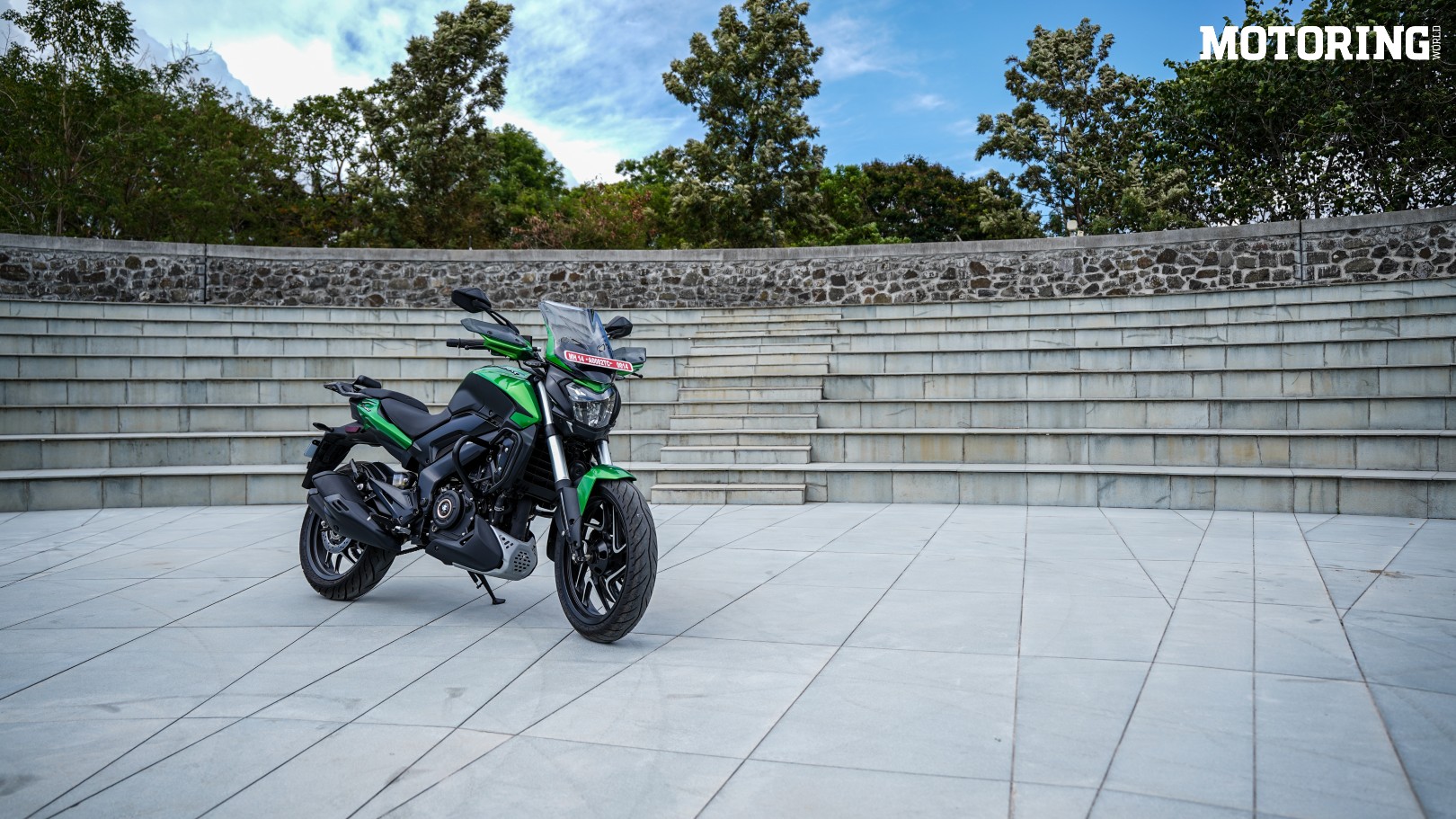
The question is simple — can a smaller engine make a motorcycle that was already struggling any more appealing?
At first glance, not much has changed. The engine is still based on the same architecture as before, but Bajaj has reduced the stroke by 4 mm. Output now stands at 40.04 bhp and 3.38 kg-m. Interestingly, power has gone up marginally, but torque has taken a hit. And on a motorcycle weighing 190 kg, that’s the figure that matters more.
The numbers, however, don’t tell the complete story. On paper, the new Dominar is barely slower. It takes 2.9 seconds to reach 60 kph — just a tenth slower than before — and reaches 100 kph in the exact same 7.4 seconds. If you only looked at the spec sheet, you’d assume nothing much has changed.
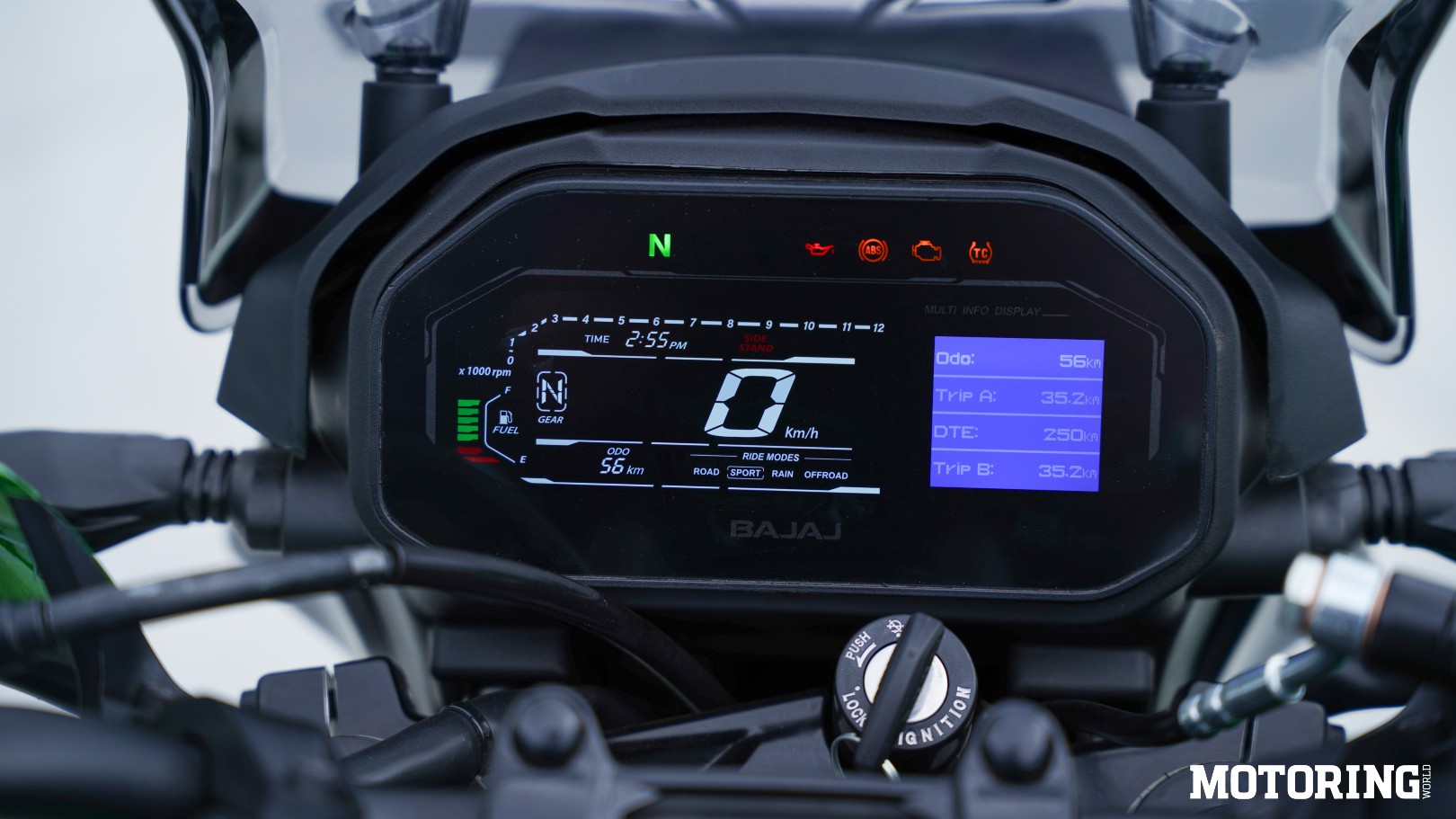
Out on the road, though, the difference is immediately noticeable.
The old Dominar was never a particularly exciting motorcycle, but it always had a healthy shove in the middle of the rev range. The new engine feels flatter. Twist the throttle in third or fourth gear while attempting an overtake and there’s a noticeable delay before the motorcycle gathers momentum. It isn’t slow by any means, but it requires more planning than before. Quick overtakes that once felt effortless now need a little more thought.
The saving grace is that the engine still enjoys being revved. It spins to the redline quickly and feels happiest when worked hard. Unfortunately, the eagerness at the top doesn’t entirely compensate for the softer mid-range. In everyday riding, especially on highways where overtaking is a frequent affair, the lack of punch is difficult to ignore.
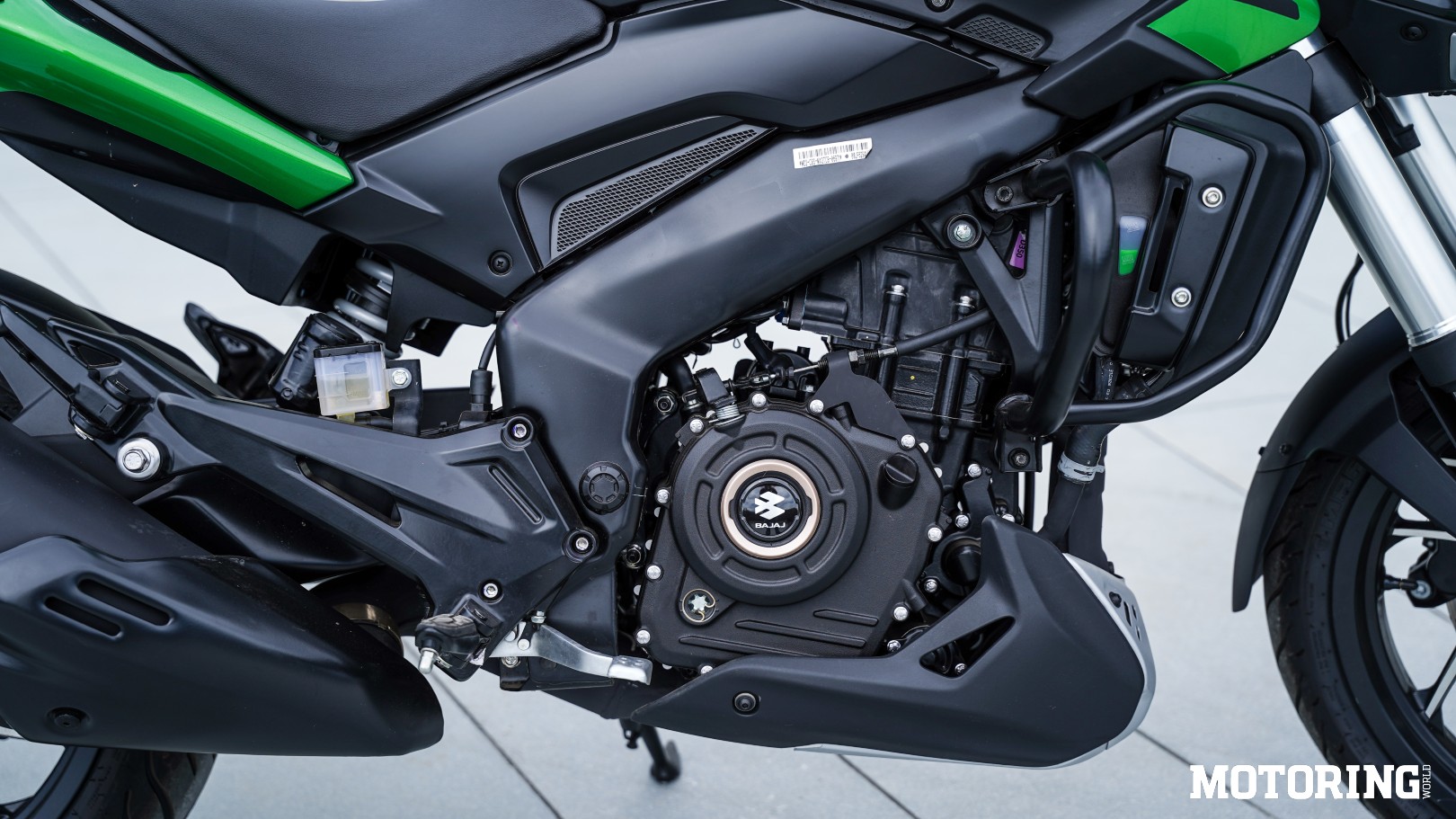
Refinement isn’t a strong point either. Vibrations creep into the seat, footpegs and handlebar once the tachometer climbs beyond 4,000 rpm. The Dominar can cruise comfortably at triple-digit speeds, but 90 kph feels like the sweet spot where the motorcycle settles into its rhythm without constantly reminding you of the engine’s presence.
Beyond the new motor, everything else remains unchanged. Unfortunately, that’s not necessarily good news.
The Dominar’s chassis feels dated today, particularly when viewed against newer motorcycles from Bajaj’s own stable. It remains stable through corners and holds a line confidently enough, but the front end doesn’t communicate much. The feedback is vague and never encourages you to push harder.
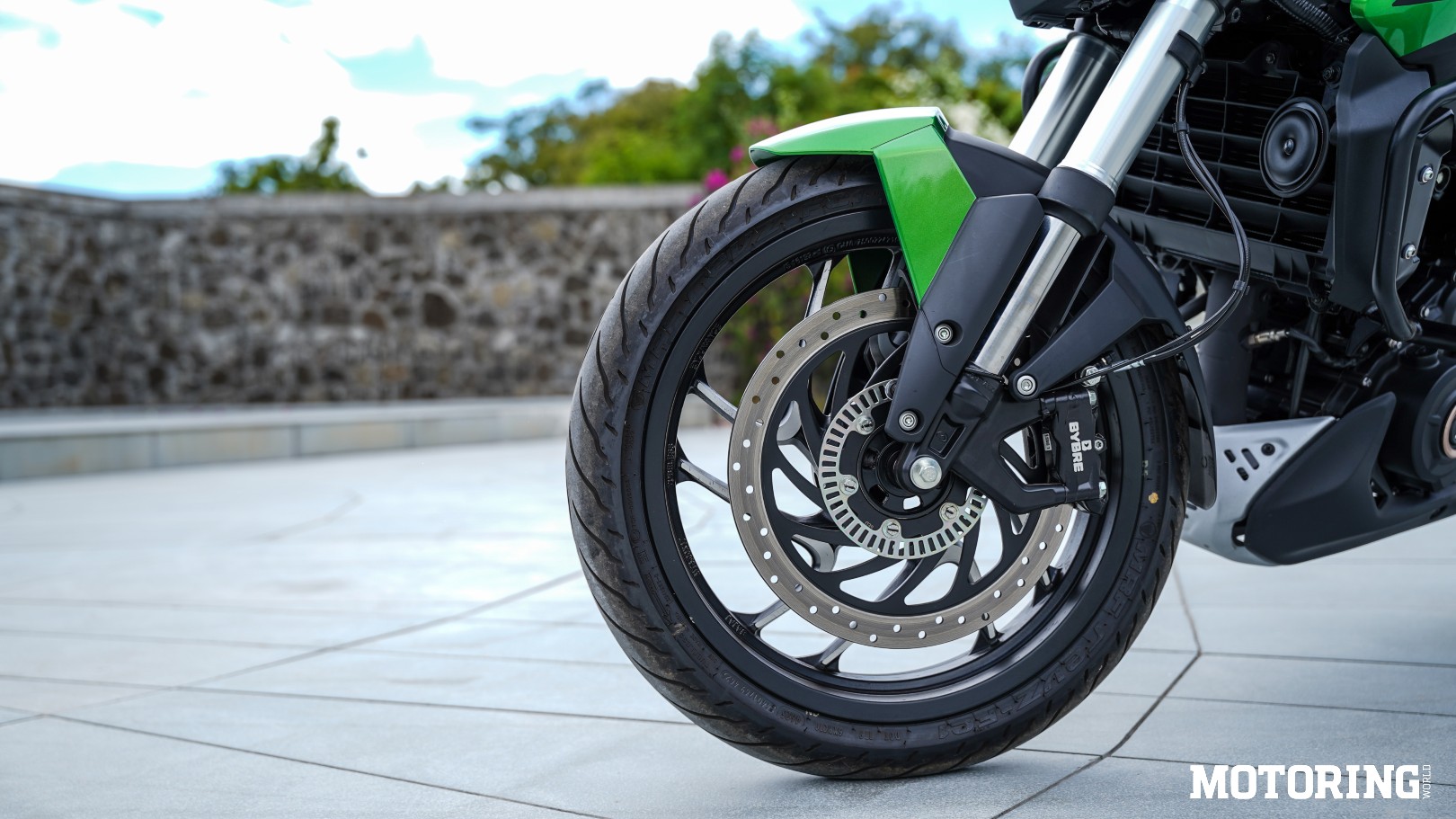
The suspension, meanwhile, continues with its sporty tune. That’s fine on smooth roads, but bad surfaces send sharp jolts through your back. For a motorcycle that’s marketed as a long-distance tourer, a softer setup would have made far more sense. Hours in the saddle reveal that comfort was never the Dominar’s strongest suit.
Braking performance remains decent. The stopping power is there, but the feel at the lever lacks the crispness expected from a modern motorcycle. More feedback would inspire greater confidence.
Which brings us to the Dominar’s biggest strength — its price. At ₹2.04 lakh, the new Dominar makes a much stronger case for itself than the old one ever did. Nearly ₹37,000 saved is significant money, and it transforms the motorcycle’s value proposition overnight. Buyers who previously found the Dominar difficult to justify may now be tempted to give it a second look.
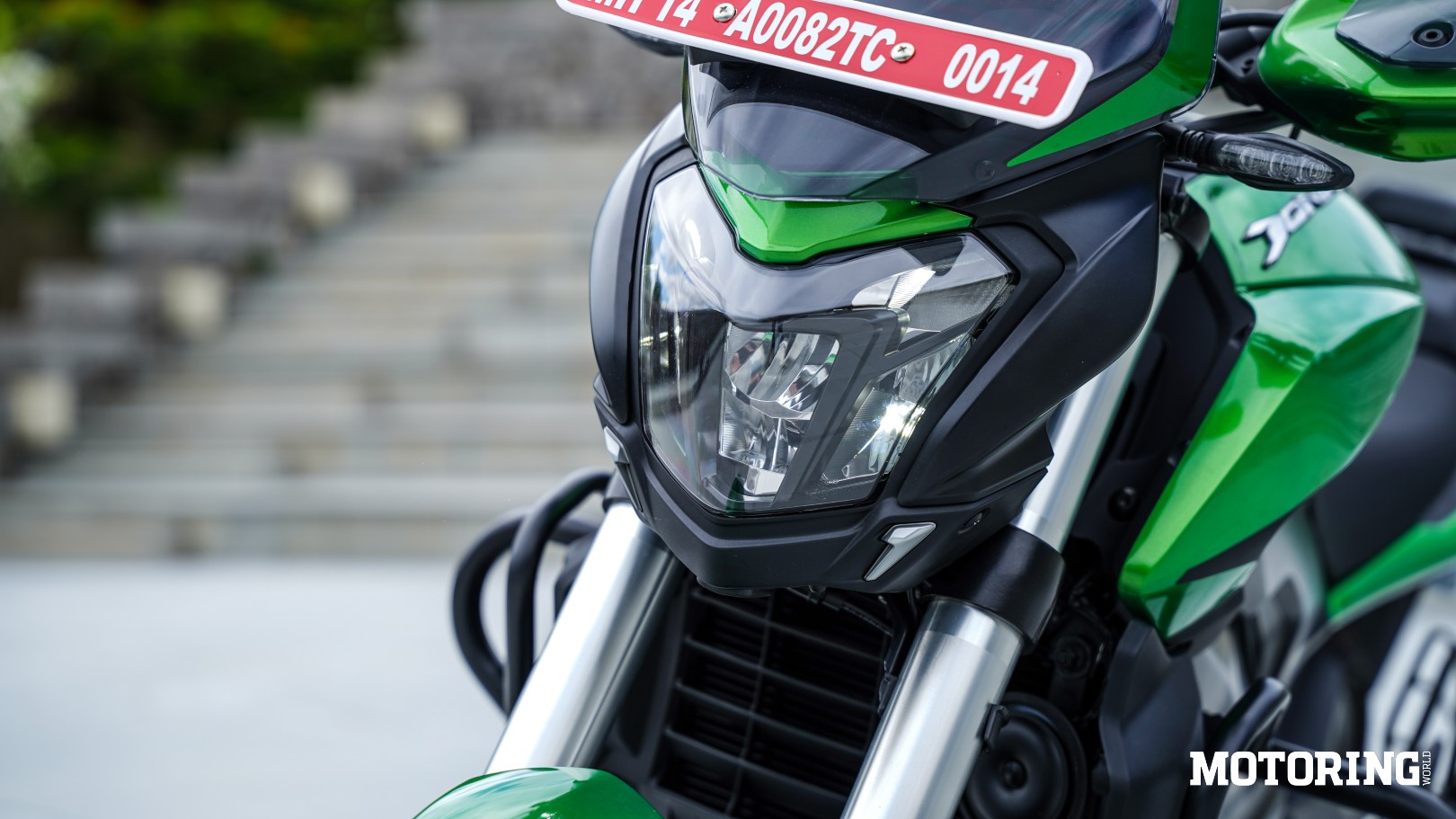
But it also feels like a missed opportunity. A quickshifter would have complemented the rev-happy nature of the new engine. A softer rear suspension would have improved touring comfort. Either of those changes would have gone a long way in making the motorcycle feel genuinely refreshed rather than simply reclassified.
The downsized engine has achieved its primary objective. It has made the Dominar more affordable. What it hasn’t done is address the fundamental issues that have held the motorcycle back for years. It remains heavy, its dynamics feel dated, comfort isn’t its strongest suit, and the new engine sacrifices some of the urgency that made the old bike enjoyable.
As a result, the Dominar’s strongest argument today isn’t how it rides. It’s how much less it costs.