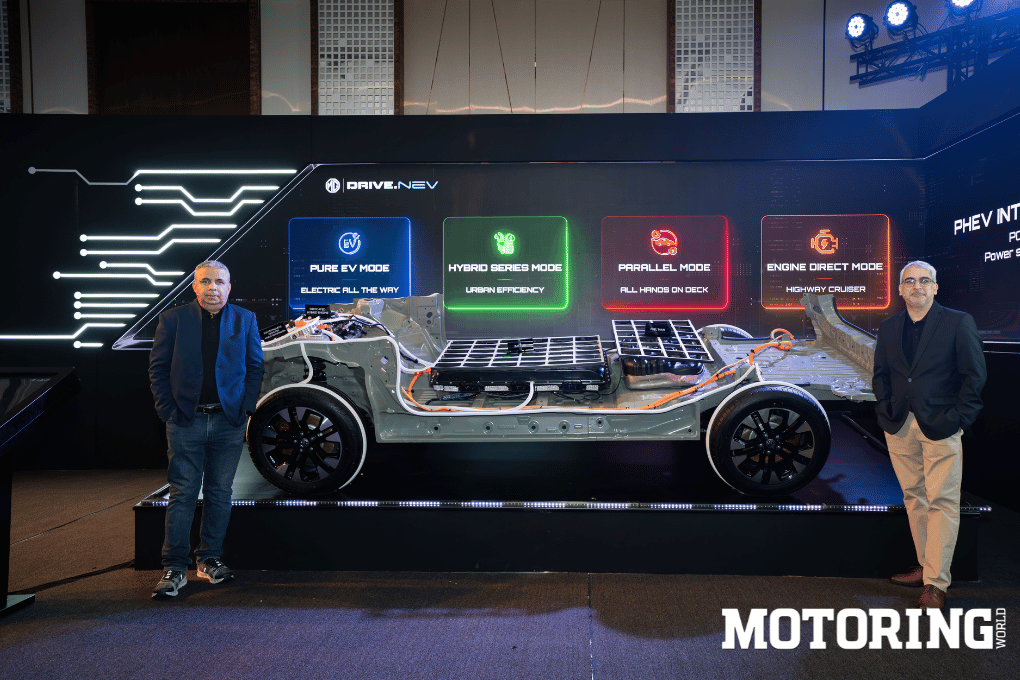


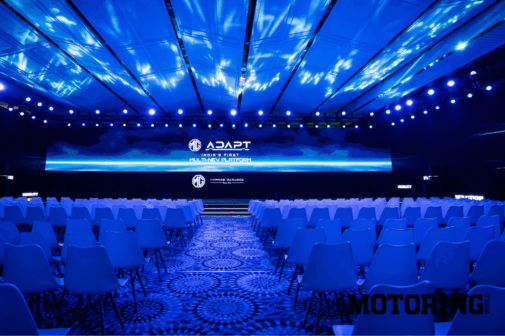
JSW MG Motor India has unveiled MG ADAPT, a new modular vehicle architecture that will underpin the company’s future line-up of electrified vehicles in the country. Short for Advance Drive Architecture Platform Technology, ADAPT is India’s first multi New Energy Vehicle platform capable of accommodating four different powertrain technologies on a single architecture, signalling MG’s intention to offer customers greater flexibility as the transition towards electrified mobility gathers pace.
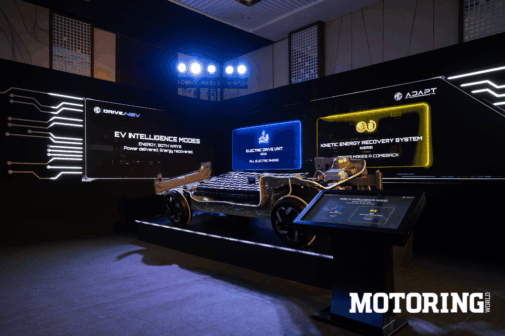
Unlike conventional vehicle platforms that are designed around a single powertrain, ADAPT has been engineered to support battery electric vehicles (EVs), hybrid electric vehicles (HEVs), plug-in hybrid electric vehicles (PHEVs) and range extender electric vehicles (REEVs)
According to MG, the modular approach will allow the company to respond more quickly to changing market demands while reducing development time for future models. The first two products based on the platform, one fully electric and one plug-in hybrid, are scheduled to arrive during the 2026-27 financial year.
At the heart of ADAPT is an integrated technology ecosystem developed specifically for hybrid applications. The platform combines a dedicated hybrid engine, a dedicated battery system, India’s first 10-in-1 Intelligent Electric Drive Unit and what MG describes as the world’s first Electromagnetic Dedicated Hybrid Transmission. Working together through an Intelligent Energy Management System, these components continuously optimise the interaction between the engine, electric motor and battery to maximise efficiency, refinement and overall driving performance.
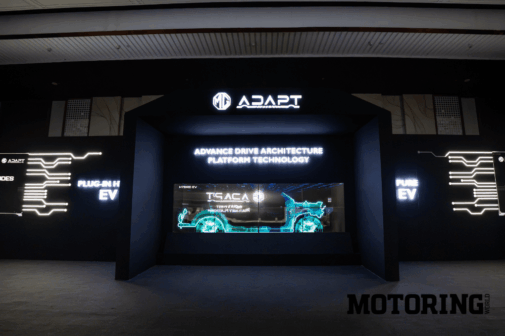
The Intelligent Energy Management System is designed to automatically select the most efficient operating mode based on driving conditions. It can seamlessly switch between Pure Electric Drive for quiet city driving, Series Hybrid Drive where the engine generates electricity for the electric motor, Parallel Hybrid Drive that allows the engine and motor to work together for maximum performance, and Engine Direct Drive for improved efficiency during sustained highway cruising. By constantly analysing vehicle speed, battery status and driving inputs, the system aims to deliver the optimum balance between performance and fuel economy without requiring any intervention from the driver.
MG has also placed considerable emphasis on range extender technology, an area that has started gaining attention globally as a bridge between conventional hybrids and full battery electric vehicles. On ADAPT-based REEV models, the electric motor remains solely responsible for driving the wheels, while the petrol engine functions only as a generator to recharge the battery when required. This approach allows the vehicle to retain the smooth and immediate response of an electric car while significantly extending driving range for longer journeys.
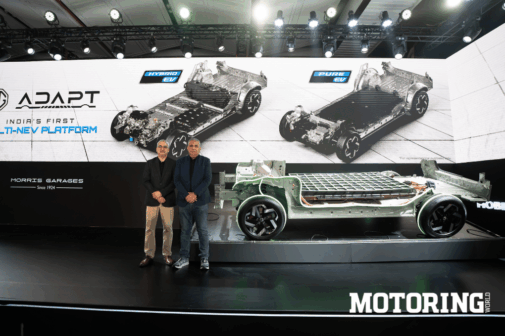
Beyond supporting multiple propulsion technologies, the new platform has also been developed with future products in mind. MG says the architecture offers greater design flexibility while improving driving range, fast charging capability, overall efficiency, safety and ride refinement. The modular nature of ADAPT is also expected to simplify product development, allowing different body styles and vehicle sizes to share the same underlying engineering.
The announcement also highlights a broader shift in MG’s strategy. Rather than committing exclusively to battery electric vehicles, the company is preparing for a market where multiple electrified technologies are likely to coexist for years to come. By supporting EVs, hybrids, plug-in hybrids and range extenders from a single platform, MG hopes to offer solutions tailored to varying customer needs, charging infrastructure and usage patterns.
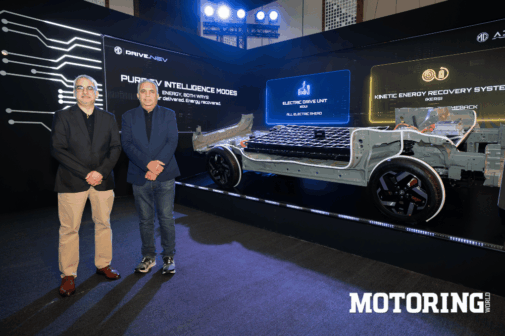
As India’s automotive industry continues its gradual transition towards cleaner mobility, flexible architectures such as ADAPT are likely to play an increasingly important role. For MG, the platform is not simply a new piece of engineering. It represents the backbone of the brand’s next generation of products and a clear indication that its future in India will be shaped by offering choice rather than prescribing a single path towards electrification.