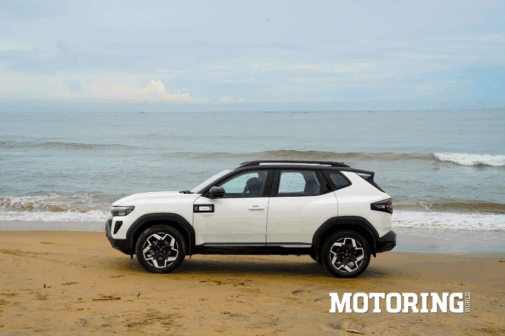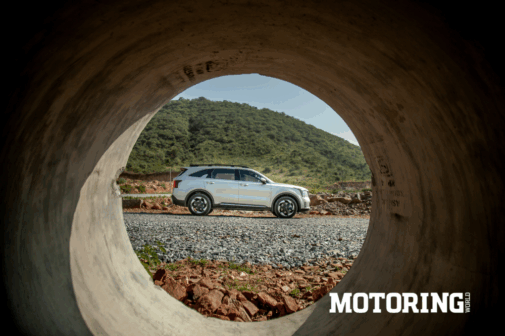


The Renault Duster’s return to India was supposed to be a big deal. This was the SUV that helped put Renault on the map, winning buyers with its rugged appeal, comfortable ride and, in diesel form, an engine enthusiasts still remember fondly. Renault has now added a strong-hybrid powertrain, promising petrol performance with the fuel efficiency buyers expect from a hybrid. Can it fill the shoes of the much-loved diesel Duster?
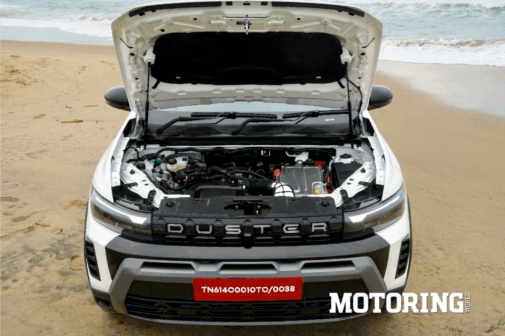
The Duster E-Tech pairs a naturally aspirated 1.8-litre, four-cylinder petrol engine with two electric motors, producing a combined 158 bhp and 208 Nm. Those are healthy figures, particularly against the hybrid systems in the Maruti Suzuki Grand Vitara, Victoris and Toyota Urban Cruiser Hyryder, which produce considerably less power. Its 1.4kWh battery is also twice the size of the units in those rivals. More interesting, though, is how the system works.
The hybrid can run on electric power alone, use the petrol engine to generate electricity or combine both to drive the wheels. It switches between these modes automatically. Unlike its rivals, the Duster uses a multi-mode gearbox with four engine ratios and two electric-motor ratios. There’s no conventional clutch, while the electric motor handles take-offs and reversing.
Press the start button and the Duster moves away quietly on electric power. In slow traffic, it can spend a fair amount of time running without the petrol engine, making the daily crawl more pleasant. Transitions between electric and petrol power are usually smooth.
Put your foot down and the electric motors provide the immediate response you would expect, giving the Duster strong low-speed pulling power. This is where the hybrid comes closest to the old diesel. It feels eager off the line and makes it easy to dart into gaps in traffic. Renault quotes a 0-100 kph time of 9.6 seconds, respectable for a family SUV.
Around town, the Duster Hybrid feels lively and effortless. Push harder and the petrol engine becomes noisier, while acceleration loses some urgency. Its sweet spot is simply lower down the speed range.
Efficiency is a major part of the appeal. Renault claims 29 kpl, while The Drivers Hub has reported 21 kpl in mixed driving. With a light right foot in the city, 23-24 kpl seems achievable. In mixed conditions, expect figures in the mid-to-high teens, while enthusiastic driving can bring consumption down to around 15-16 kpl. The hybrid rewards a measured approach; drive it hard and the advantage begins to shrink.
Regenerative braking recovers energy while slowing down, reducing the petrol engine’s workload in stop-start traffic. There’s an Eco mode that prioritises electric running, and an E-Save function that lets you maintain the battery charge above a set level. The E-Save function can make the engine work harder, so it is better to leave the system to manage the battery.
The chassis remains one of the Duster’s strongest attributes. The hybrid is roughly 100 kg heavier than the petrol versions, so Renault has revised the suspension to account for the extra weight and altered weight distribution. It gets frequency-dependent dampers, stiffer springs and retuned steering. The result is a pleasing balance of ride comfort and control.
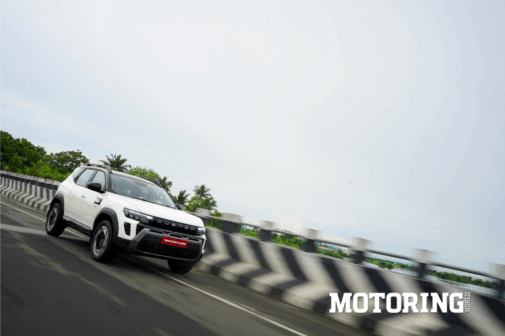
It deals competently with uneven surfaces and sharp bumps, keeping the cabin reasonably composed. More importantly, the extra weight hasn’t dulled the Duster’s willingness to change direction. The steering is direct and nicely weighted, building resistance as you turn into a corner. It feels predictable and composed when you pick up the pace, making the Duster one of the more enjoyable SUVs in its class. Thankfully, the hybrid retains that character.
Refinement is good when the petrol engine isn’t being asked to work hard. At a steady pace, the cabin is relatively quiet, and transitions between electric and petrol power are mostly smooth. The engine can get noisy when generating electricity or delivering sustained performance, but in everyday driving the Duster Hybrid is an agreeable companion.
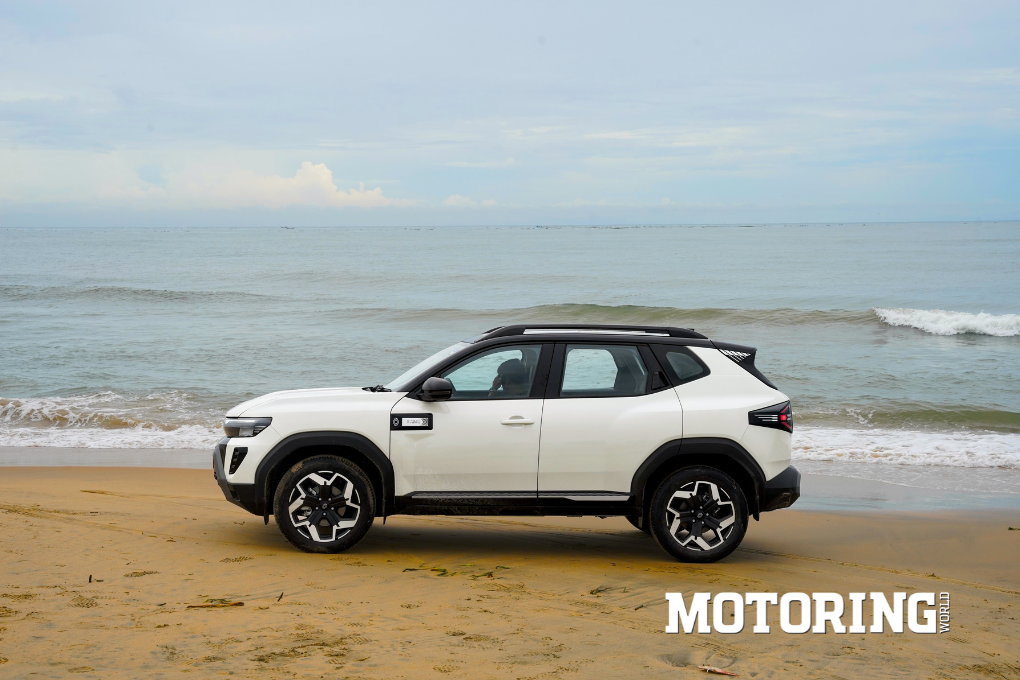
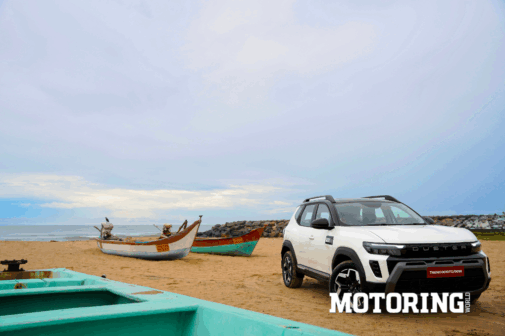
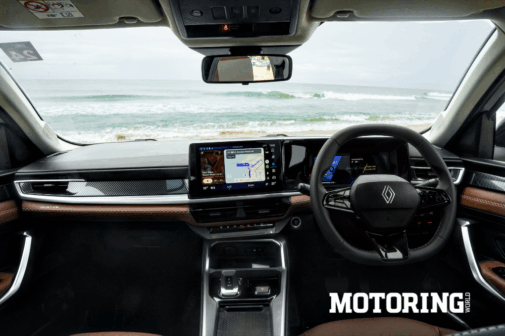
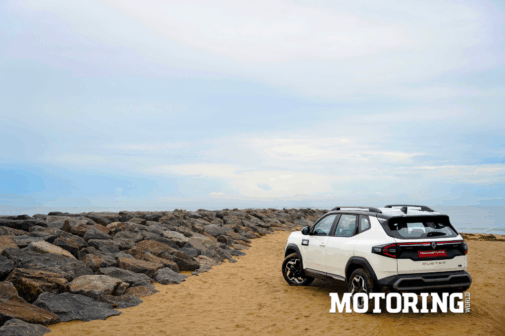
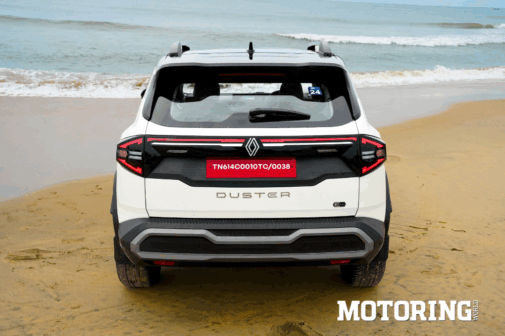
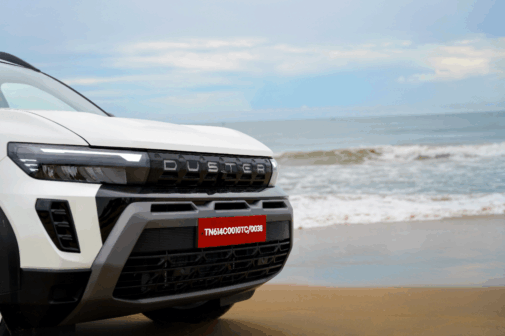
You’ll have to look closely to distinguish the hybrid from the petrol versions. E-Tech badges on the front doors and boot lid, along with illuminated Duster lettering at the front, are the main giveaways. Inside, the darker cabin gives way to lighter Dune Brown leatherette upholstery and a lighter headliner, making the space feel airier.
However, the hybrid misses out on some equipment offered in the top-spec turbo-petrol versions. There’s no 360-degree camera, auto-dimming interior rear-view mirror or built-in Google Assistant for the infotainment system. ADAS is absent, too.
There are positives in the cabin. The screens are crisp, the interface is usable and retaining physical climate-control buttons is a welcome decision. The cabin’s ergonomics could be better. The audio volume control sits on a stalk behind the steering wheel, and the ventilated-seat controls are not particularly easy to find. The digital instrument readouts could be clearer, too. These are small irritations, but they interrupt an otherwise straightforward cabin experience.
Rear-seat comfort is decent, with well-cushioned seats and a relatively high seating position. However, the Duster doesn’t have the most spacious rear compartment in the segment. Taller adults may find some rivals more accommodating. The bigger compromise is the boot. The hybrid battery cuts luggage capacity from 518 litres in the petrol versions to 372 litres. That is a substantial reduction, particularly if family road trips and bulky luggage are part of the plan. There is no spare wheel as standard; Renault offers one, and supplies a puncture repair kit.
Prices start at ₹16.99 lakh for the Evolution and go up to ₹19.49 lakh for the top-spec Emotion, ex-showroom. The Duster Hybrid makes a convincing case with its claimed efficiency, strong low-speed response and enjoyable handling. The pricing is competitive for a strong hybrid, too. The smaller boot, missing convenience features and limited rear-seat space are downsides, while performance tails off at higher speeds.
Can it replace the diesel Duster in spirit? In many ways, yes. The electric motors deliver the immediate low-end shove that made the diesel so appealing, making everyday driving effortless and giving the SUV plenty of punch when pulling away or accelerating in traffic. The difference becomes more apparent at higher speeds, when the petrol engine gets louder and performance feels less urgent.
The Duster’s comeback needed more than familiar styling and a nostalgic nameplate. The hybrid gives it another reason to be considered, combining the old diesel’s accessible low-speed response with impressive efficiency and the engaging chassis that has long been part of the Duster’s appeal. It isn’t perfect, and the boot and equipment compromises are worth weighing up. But for buyers who want effortless pulling power without diesel-era fuel bills, the Duster Hybrid could be the missing piece Renault needed.