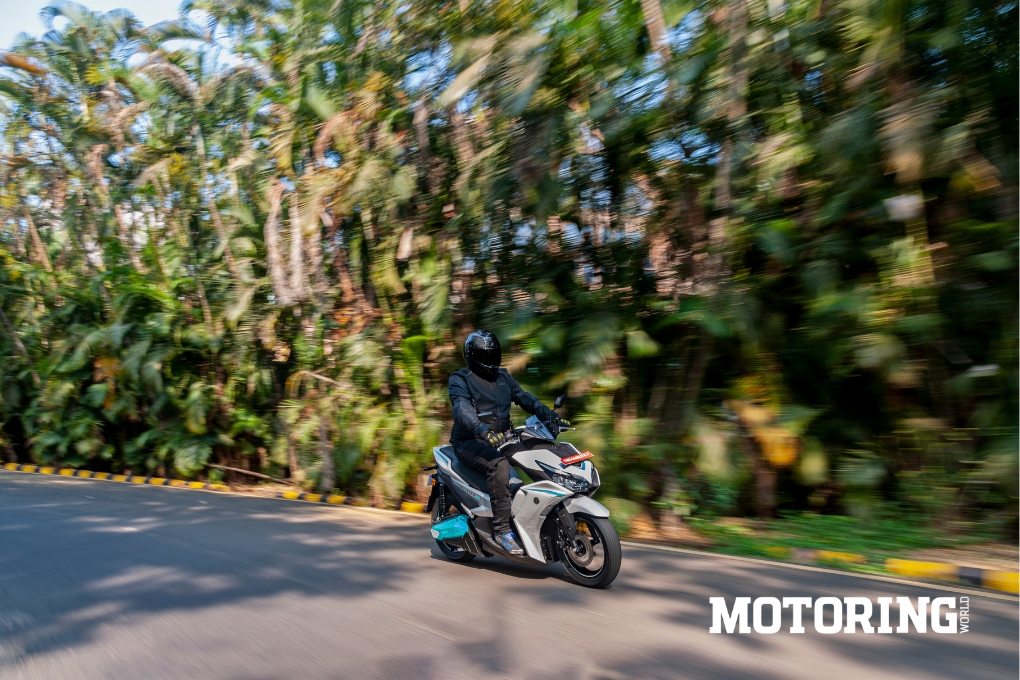


The Yamaha Aerox 155 built its reputation on a simple proposition: here is a scooter that is genuinely fun to ride. The R15-derived engine gave it a character that most scooters don’t come close to. You chased the redline, leaned into corners, and worked the throttle with intent. It was, by scooter standards, alive.
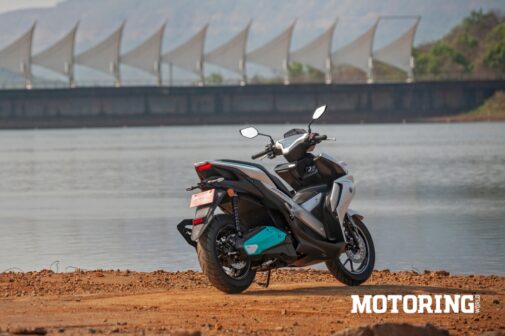
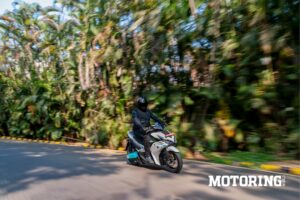
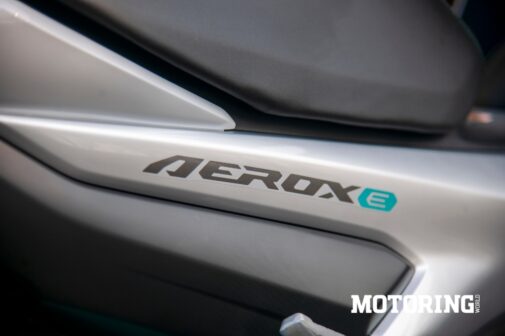
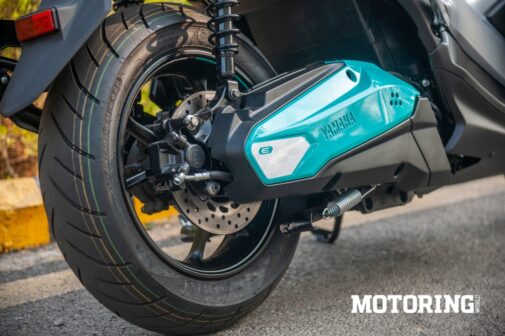
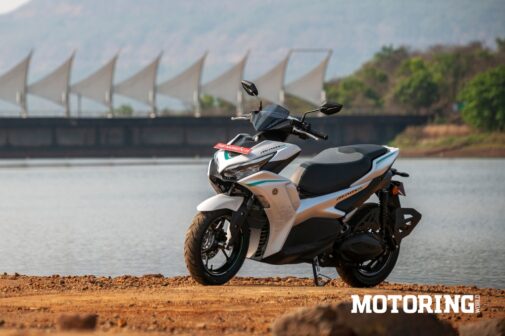
Yamaha has now taken that same nameplate and made it electric. At a glance, the Aerox E looks familiar enough. The aggressive stance is intact, and the sharp face still looks like it wants to pick a fight with traffic. Walk around to the rear, and the bright blue swingarm-mounted motor gives the game away. Pair that with the new white paint option, and the whole thing reads as quietly futuristic rather than aggressively so. The design still works. The attitude is still present. What lies underneath is a different matter entirely.
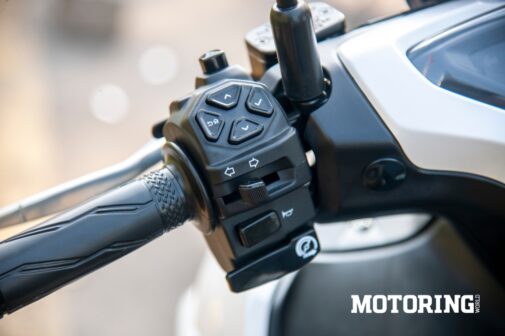
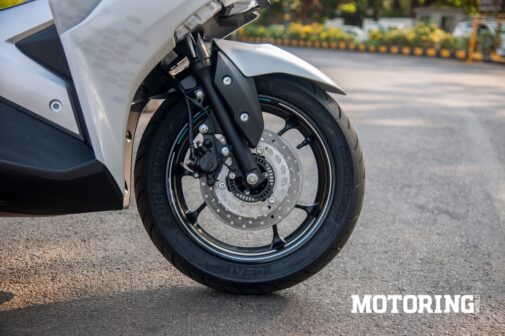
Build quality on first acquaintance feels solid. New switchgear pairs with a 5-inch TFT display that, despite looking slightly smaller than expected, handles Bluetooth connectivity, call alerts, and music controls without fuss. A rear disc brake replaces the older drum setup, and single-channel ABS and traction control come as standard. Useful additions, particularly the latter, in unexpected low-grip situations. The physical changes are more significant than the aesthetic ones. At 139 kg, the Aerox E is 13 kg heavier than the petrol version, and the wheelbase has stretched slightly to accommodate the new internals.

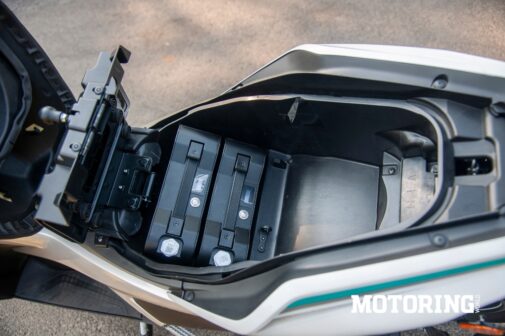
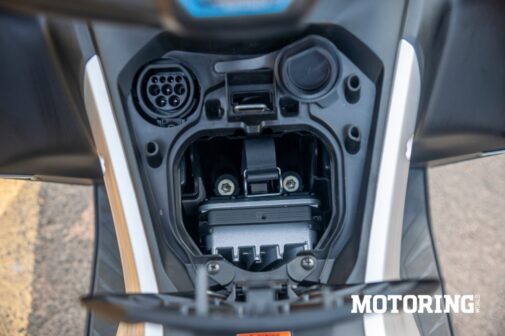
Under the seat sits a 3 kWh battery split into two removable 1.5 kWh packs, each weighing 13 kg. The scooter can run on a single pack, though performance takes a noticeable hit. Because the batteries occupy the underseat space, storage drops from 24.5 litres to 15 litres, which is a meaningful loss for a daily commuter. Charging is handled by a 650 W unit, with a full charge taking approximately 6 hours and 20 minutes. An optional home charging dock is available at an additional Rs. 18,000.
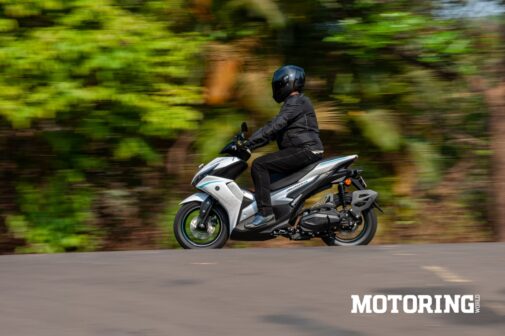
Yamaha claims an IDC range of 117 km on twin batteries. The real-world picture is less reassuring. When we collected the test unit at 98 per cent charge, the display showed 53 km of range in Eco mode, with nothing displayed for the other modes. That is not a figure that inspires confidence in a machine positioned as an everyday runabout.
On paper, performance looks reasonable. The motor produces 9.4 kW and 4.9 kgm of torque, with a claimed top speed of 95.5 kph. Three ride modes are available: Eco, Standard, and Power. Eco is heavily restricted, clearly prioritising range over anything else. Standard is usable for everyday riding but feels unremarkable. Power mode is where the disappointment sets in most clearly. For a scooter wearing the Aerox badge, the step up from Standard is simply not dramatic enough. The performance feels adequate rather than eager, and adequate is not what this nameplate has ever stood for.
Boost mode is a different story. There is a proper surge here, enough to make overtakes feel effortless and push the scooter towards its top speed with genuine intent. The first few times, it is genuinely exciting. The catch is the delivery: ten seconds of Boost, followed by a cooldown period before it is available again. It works as a mechanical system. As an experience, it feels more like a video game power-up than a natural extension of the rider’s input, and that distinction matters on a machine that once prided itself on feel.
Handling remains the most faithful carry-over from the petrol version. The Aerox E feels stable mid-corner, holds its line with confidence, and encourages a committed riding style through bends. The suspension is on the firmer side, which suits smooth roads well; sharper bumps come through more than is ideal. Braking is a clear improvement over the older setup, with the rear disc adding reassurance and stopping power that the previous drum could not match.
The petrol Aerox 155 had a character that was easy to define: noisy, rev-happy, engaging, and slightly raw. Those qualities were not incidental to its appeal; they were the appeal. The Aerox E is smoother, more accessible, and requires less of the rider. In shedding those qualities, it has shed a significant part of its identity.
The range figures do not justify the practicality compromises, and the performance outside of Boost mode does not justify the Aerox badge. Priced at approximately Rs. 2 lakh, it sits in a segment where better-established electric scooters offer more convincing real-world range and fewer questions about their purpose. The Aerox E is a technically coherent machine that arrives without a clear answer to the question of who it is for. That original, raw character was not a byproduct of the petrol engine; it was the point. Remove it, and what remains is a scooter that looks the part without fully playing it.