

Dolby Atmos has already transformed the way we watch films and listen to music at home, in theatres, and on our devices — and now it’s reshaping the in-car experience. As Indian automakers rapidly adopt immersive audio across segments, we spoke with Karan Grover, Senior Director, Commercial Partnerships, IMEA at Dolby Laboratories, to understand how Atmos is engineered for the cabin, why it’s becoming a must-have feature, and what the future of automotive audio looks like.
Motoring World: Dolby Atmos has changed how we experience movies and music. How does that same magic translate inside a car?
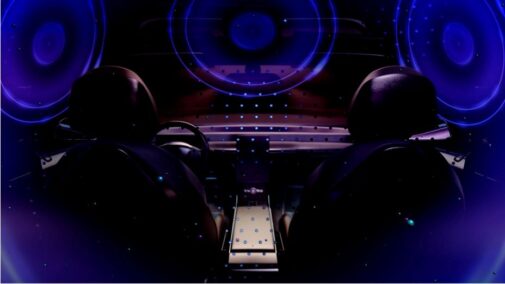
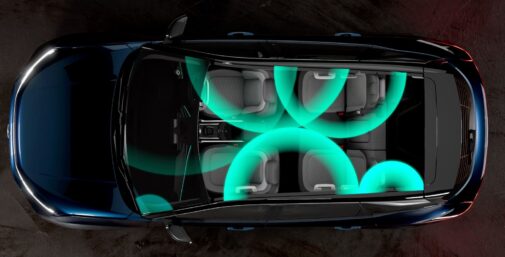
Karan Grover: Inside a car, Dolby Atmos transforms the cabin into an intimate entertainment space by placing sounds with precision around the listener. It adds depth, clarity, and dimension, making the music and stories feel more expressive and emotionally engaging. A car offers a controlled acoustic environment where the positions of both speakers and passengers are fixed, allowing us to fine-tune every detail for a consistent, balanced audio experience across seats, ensuring everyone experiences the same sense of realism, no matter where they are seated.

MW: You’ve said it’s not about making sound louder, but more lifelike. What does “lifelike” really mean when we’re talking about an in-car experience?
KG: Lifelike, in an in-car experience, is about going beyond the limitations of surround sound or stereo to deliver a deeper, and a more meaningful connection to the music you love. With Dolby Atmos Music, you’re immersed in the song in a way that reveals new details with clarity and depth, exactly as the artist intended it. Because artists are no longer limited to stereo or surround sound, audio can move freely in a multidimensional space, giving the music a natural sense of presence and emotion as if the artist was performing exclusively for you. This helps every track feel more real and engaging, creating that lifelike experience inside the car.
View this post on Instagram
MG:Cars have such unique acoustics, smaller spaces, and different materials. How does Dolby Atmos adapt to that environment?
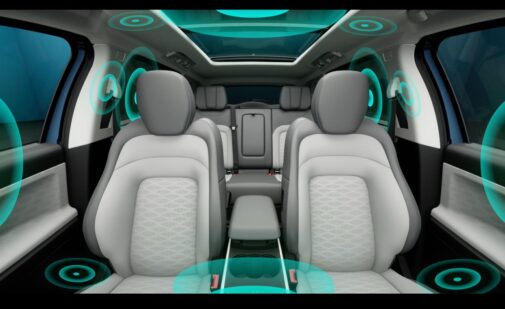
KG: Dolby’s solution adapts to every type of cabin by integrating seamlessly into both new and existing car audio systems and are factory fitted, which reduces the need for additional hardware. Dolby works closely with the full automotive supply chain to ensure the experience feels authentic inside each vehicle. With adaptive tech and a global team of audio experts, the system is fine-tuned for different cabin shapes, speaker layouts, and seating positions. The certification program optimises sound zoning and ensures that the immersive experience translates consistently across almost any car design.


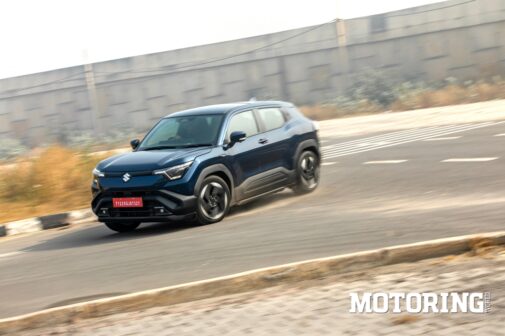
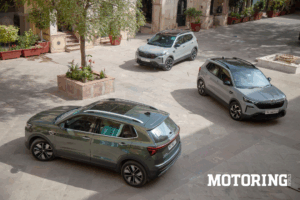
MW: Dolby has partnered with brands like Mahindra, Tata, and Maruti Suzuki. How do these collaborations come together? Is the sound tuned specifically for each model?
KG: These collaborations stem from a shared vision to elevate in-car entertainment and make immersive sound accessible to more people. Dolby partners with automakers that value innovation, design, and a commitment to enhancing the customer journey. Once the partnership begins, the audio system is evaluated in detail by the engineers so that Dolby Atmos libraries are delivered for that model’s cabin layout, speaker architecture, and acoustic behaviour. This tailored integration ensures that every vehicle, regardless of segment, delivers a premium and consistent Dolby Atmos experience.
MW: We’re seeing Dolby Atmos appear in everything from premium EVs to mainstream SUVs. What’s driving this wider adoption across Indian manufacturers?
KG: Indian consumers today expect richer and more engaging in-car entertainment, and this has encouraged OEMs to bring advanced audio experiences across segments. Through partnerships that span premium, mid-range, and mainstream categories, Dolby is helping democratise a premium in-car entertainment experience with Dolby Atmos that is not limited to high-end vehicles. As infotainment systems improve and streaming becomes central to how people enjoy content, Dolby Atmos offers a clear upgrade that enhances value across price points. The growing availability of Dolby Atmos music & podcast content in cars with services like Gaana & Audible has made it easier for OEMs to deliver a premium experience to a wider audience.
MW: How does immersive sound like Dolby Atmos change the way people engage with entertainment on the move, whether it’s music, podcasts, or films?
KG: At Dolby, we aim to deliver a premium audio-visual experience across every screen and device, from TVs to smartphones and PCs to tablets, soundbars, cinemas, and now cars. The car becomes a natural extension of this ecosystem, where more consumers expect the same richness, they enjoy elsewhere. Dolby Atmos makes every form of content feel multi-dimensional and emotionally expressive, where a helicopter can sound like it is moving overhead or rain can feel like it is falling from above. This immersive soundscape turns even everyday drives into a more engaging and enjoyable experience. It transforms in-car entertainment by creating a fully immersive environment that makes the car an ideal place to enjoy music, dive into podcasts, or watch films with a level of depth and presence that feels truly compelling.
MW: Electric vehicles are becoming quieter inside. Does that make them an even better canvas for Dolby Atmos?
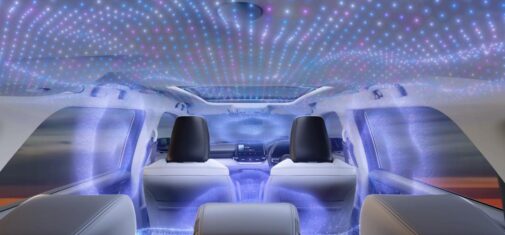
KG: Relatively perceived quieter environment in EVs allows Dolby Atmos to shine with more precision and clarity, as subtle details in the sound are not masked by engine noise. This heightened transparency makes the spatial sound feel even more noticeable, and the audio feels clearer across the cabin. More OEMs are recognising immersive audio as a defining element of the modern driving experience as EV adoption rises.
MW: From a listener’s perspective, what’s the first thing someone will notice the moment they hear Dolby Atmos in a car?
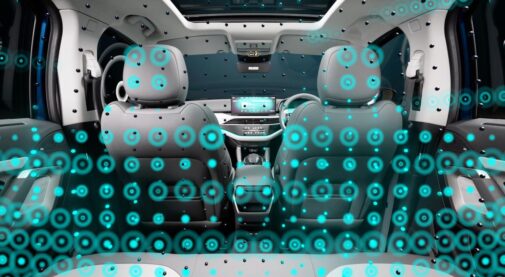
KG: Most listeners immediately notice how open and spacious the audio feels, almost as if the passenger is sitting in a concert hall with the artist performing live. Unlike traditional stereo, Dolby Atmos creates a natural, 360-degree soundscape where vocals, instruments, and effects occupy precise positions in the cabin. Dolby Atmos experience in a car helps people hear and feel the sound deeply, making that first listen instantly memorable.
MW: With so many people streaming music in their cars, do you see artists and producers starting to create more Atmos-optimised content?
KG: Yes, we are already seeing a strong shift toward Dolby Atmos Music because it allows artists to express their work far beyond the limits of stereo. In Dolby Atmos, every element becomes its own object that can move freely in a multidimensional space, which gives music a sense of depth, clarity, and emotion that fans immediately connect with. As more listeners stream in Dolby Atmos across devices, artists want their music to sound immersive everywhere, including in cars, driving a surge of Dolby Atmos releases across genres in the global and Indian music landscape.
MW: Finally, what’s next for Dolby in the automotive world? Any upcoming innovations or partnerships we should watch out for?
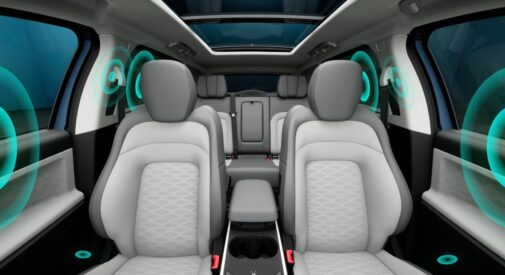
KG: We are continuing to expand our presence in the automotive space, and you can expect more partnerships across different vehicle categories in the coming months for mainstream cars. As more consumers experience immersive audio in their daily drives, automakers are increasingly looking to bring Dolby Atmos into their upcoming models. We are collaborating closely with them to deliver high-quality experiences that feel natural and expressive. There is a lot of exciting work underway, and we are looking forward to bringing even more advanced in-car entertainment experiences to drivers in India