

Delhi isn’t a city you simply drive through. You negotiate it. Every kilometre demands patience and spatial awareness, especially when traffic thickens, lanes disappear without warning, and parking becomes a luxury. In a city like this, your choice of wheels doesn’t just decide how you travel; it defines how your day plays out.
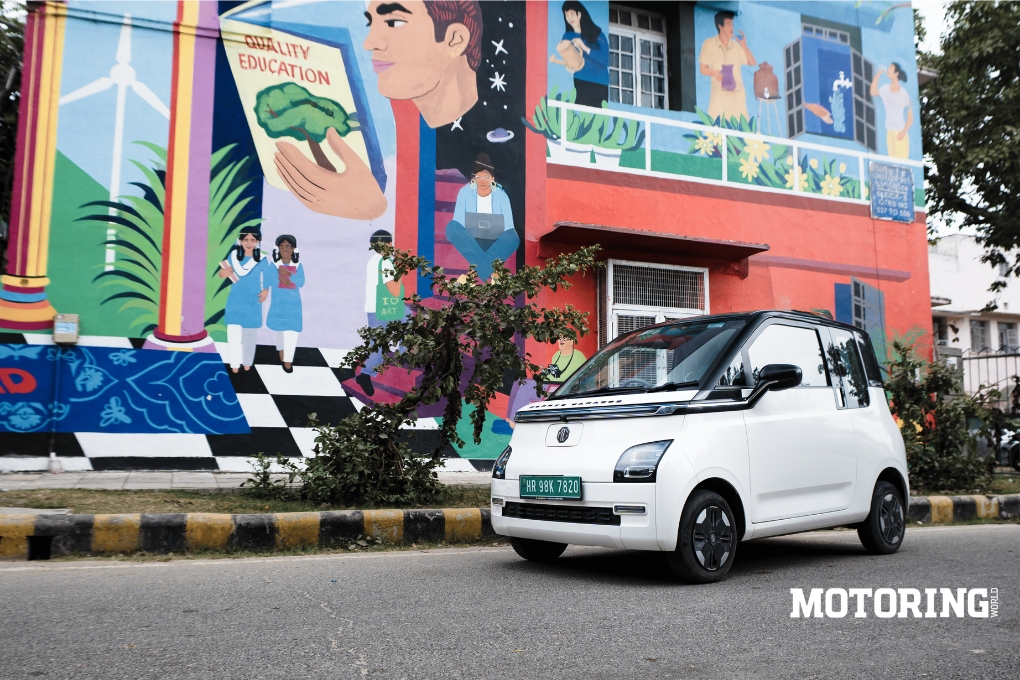
Spending time with the MG Comet EV makes one thing very clear – this car has been designed with cities in mind. Much like the capital itself, the Comet has a practical personality, layered with a distinct sense of character. To see how that philosophy translates to real life, we decided to take it on a proper Dilli Darshan, starting at the Lodhi Art District and ending at the Red Fort. It’s a route that tests everything a city car should be good at.
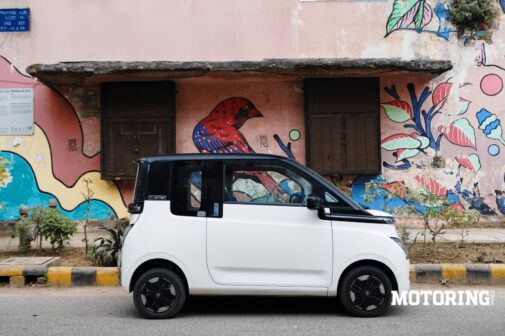
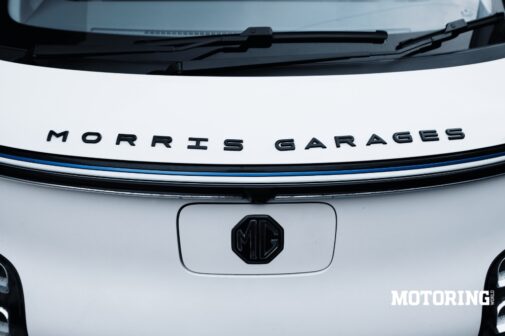
The Lodhi Art District is where the Comet immediately feels at home. Surrounded by bold murals and creative expression, the car’s own design stands out without trying too hard. Yes, it’s cutesy and undeniably charming, but there’s solid engineering logic behind the look. Being a born EV, there is quite a lot of cabin space since the wheels are on the corners, while also keeping the overall footprint impressively small.

That compactness pays off instantly. The large windows give you a clear, uninterrupted view of the world outside, letting you soak in the murals without feeling boxed in. And in a neighbourhood where parking is scarce and stopping irresponsibly can bring traffic to a halt, the Comet’s size is a genuine advantage. Pulling over for a quick photo doesn’t feel like you’re committing a traffic offence. It’s in the Lodhi Art District that you realise the MG Comet EV isn’t trying to fight the city; it’s designed to blend into it.
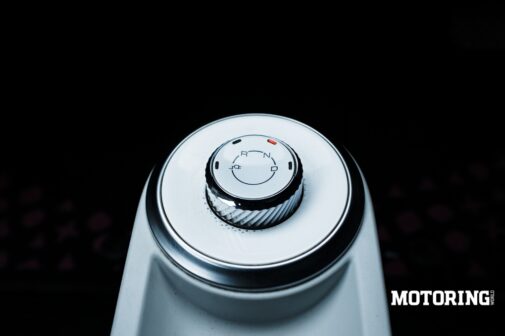
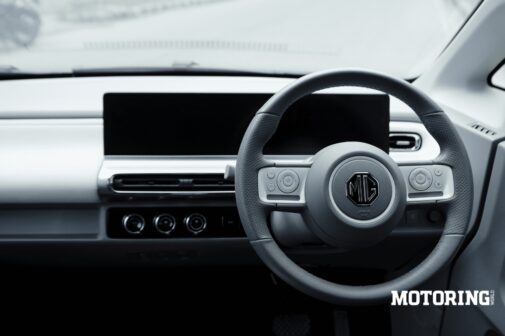
From visual chaos, we move into a space that feels almost alien by Delhi standards – a calm, minimalist cabin. The Comet’s interior is unlike anything else currently on Indian roads. The vibe is clean and uncluttered, and while the three-door layout usually suggests compromise, it’s been executed with real thoughtfulness.
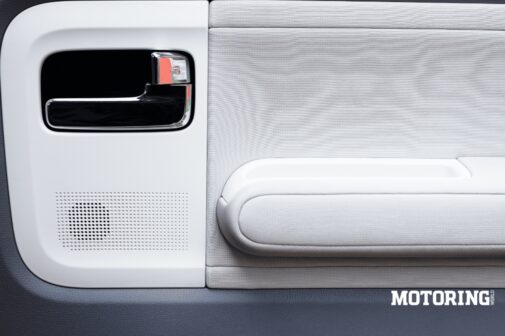
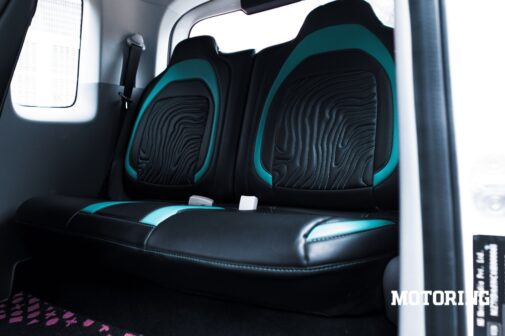
The doors are large, and the front seats slide forward generously, making access to the rear seats far easier than expected. It’s a clever use of space that fits perfectly with the car’s ‘less is more’ philosophy. Much like Lutyens’ Delhi, where proportion and intent define the experience, the Comet’s cabin feels carefully planned rather than improvised.
This sense of smart value continues as we head towards the Delhi IT Park, a fitting backdrop to explore the Comet’s tech-forward approach. Dominating the dashboard are two 10.25-inch screens, one for infotainment and the other a digital instrument cluster. They aren’t just there to look impressive. Wireless Apple CarPlay and Android Auto are quick and responsive, which matters far more when navigating Delhi’s constantly changing flyovers and diversions.
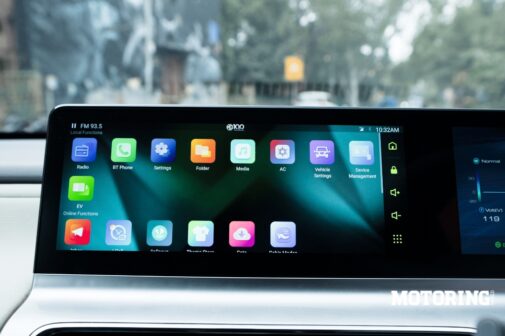
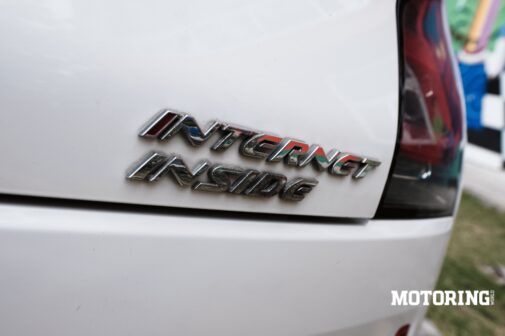
Beyond the screens, the Comet packs in tech that genuinely makes daily city life easier – voice commands, a digital key, find-my-car functionality, geo-fencing, and over-the-air updates. It’s technology that integrates quietly into your routine rather than demanding constant attention.
No Dilli Darshan is complete without a visit to Chandni Chowk and the Red Fort. This is where most cars start to feel overwhelmed, but the Comet comes into its own. Its compact dimensions make squeezing through narrow lanes and dense traffic feel effortless. Situations that would normally raise stress levels suddenly feel manageable, almost relaxed.
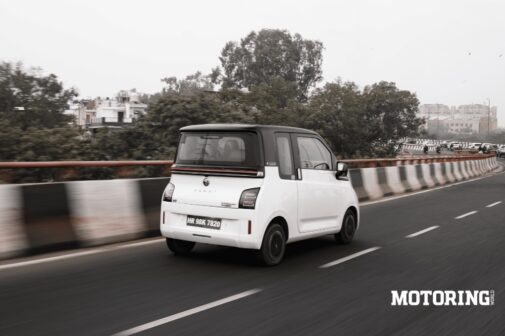
The conversation around the MG Comet EV usually starts and ends with one question – ‘why’. But a quick look at the numbers offers a very clear answer. A similarly priced petrol car costs roughly ₹6.5 per kilometre to run, while the MG Comet EV needs only about ₹0.6 per kilometre. At an average city usage of 1,200 kilometres a month, that translates to a monthly spend of around ₹7,800 for petrol versus just ₹720 in the Comet EV, resulting in a saving of roughly ₹7,080 every month. Over the course of a year, this adds up to about ₹85,000, and stretch that over five years, and the savings climb to approximately ₹4.25 lakh on running costs alone.
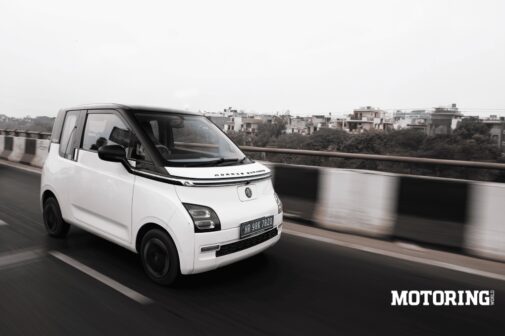
Delhi demands practicality, patience, and smart choices. The MG Comet EV delivers all three – quietly, efficiently, and with a personality that feels perfectly in sync with the city it’s navigating.