

The Mahindra XUV 700 has dominated the Indian market since its debut in 2021, capturing the nation’s attention as one of the most complete 7-seater SUVs on sale. Its success is evident in the numbers: Mahindra has managed to put over 3.3 lakh units on the road in just under 5 years. However, even a titan needs to evolve. After a highly successful 4.5-year run, the model was due for a dose of modernisation, and that is where the Mahindra XUV 7XO comes in.
View this post on Instagram
It is worth noting that the 7XO is more of a comprehensive mid-life facelift than an entirely new platform. But in all fairness, the original XUV 700 didn’t feel aged to begin with. Now, equipped with significant tech disruptions and subtle yet effective exterior and interior tweaks, it looks ready to reclaim its title as the reigning champion of the 7-seater SUV segment.
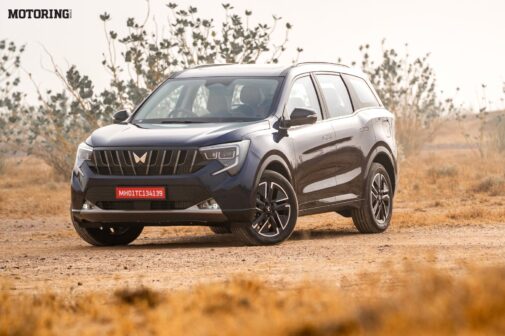
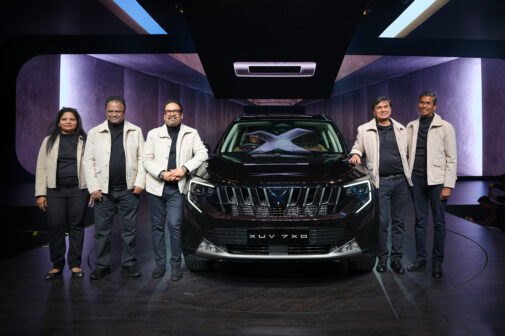
Visually, the XUV 7XO doesn’t try to reinvent the wheel, but it certainly polishes it. The most striking change is the ‘face’, gone is the slightly softer look of the 700, replaced by a much more aggressive front fascia. The new Bi-LED projector units are now framed by sharp, boomerang-shaped DRLs that give them a high-tech, signature look at night. This is paired with a bolder, more upright grille that adds a bit of ‘muscle’ to its presence.

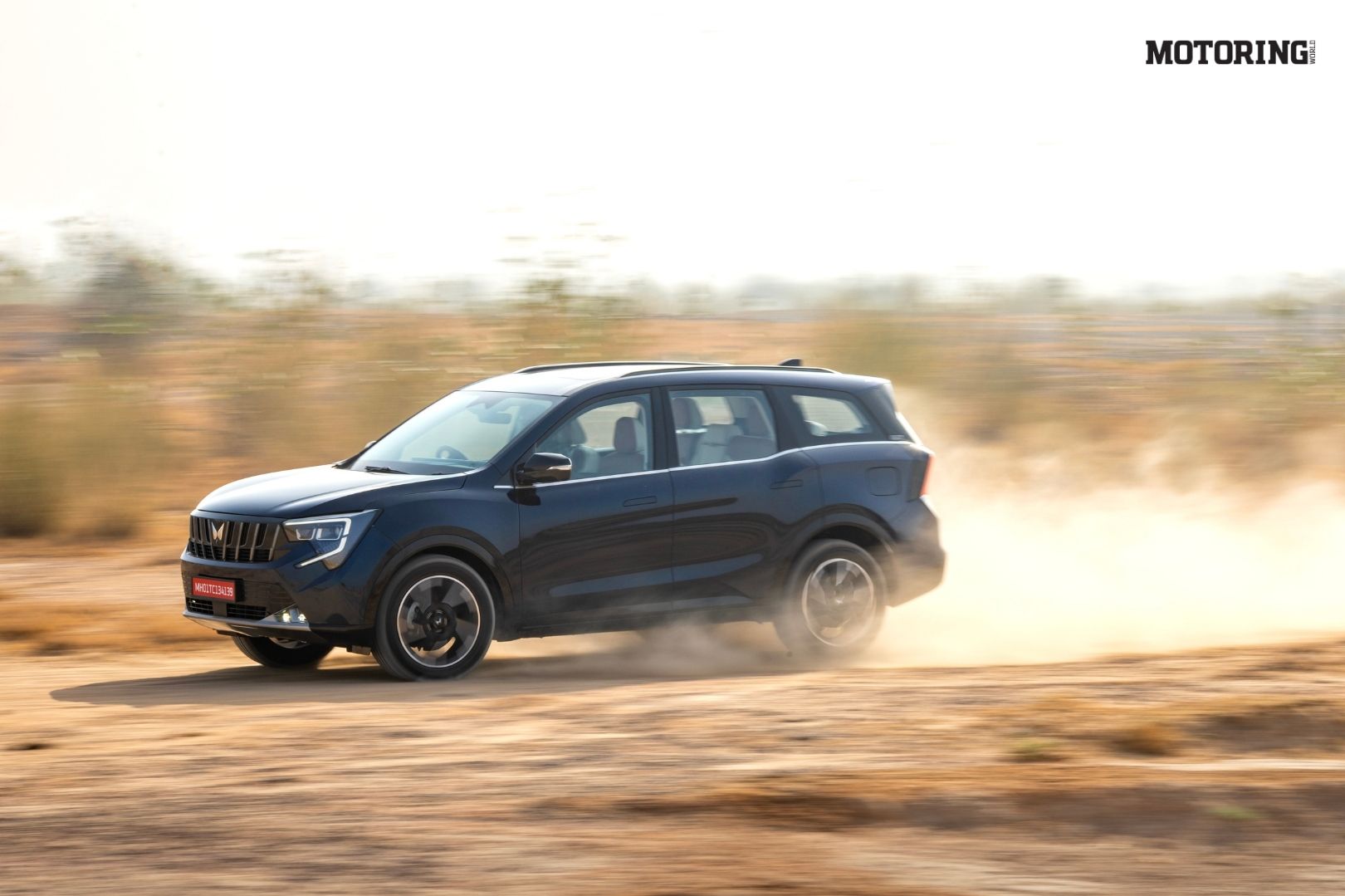
As you move to the side, the silhouette remains that familiar, commanding XUV shape we’ve grown used to, flush door handles and all. However, it now sits on a fresh set of 19-inch diamond-cut alloy wheels that fill the arches much better than before. The rear also gets a significant ‘glow-up’ with a connected LED light bar and new tail-lights featuring a clever hexagonal detailing inside the lens. It’s a design language clearly inspired by Mahindra’s newer EV concepts, making the 7XO feel like a bridge between the present and the future.
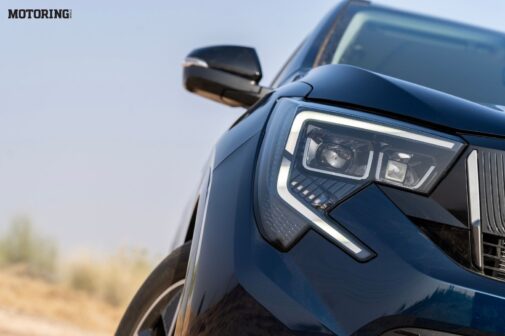
What I personally find fascinating is how this design language still pays homage to its roots. When the original XUV 500 was first unveiled over a decade ago, Mahindra famously drew inspiration from the cheetah. Even today, looking at the XUV 7XO, you can see that DNA is still alive. That signature ‘crouched’ stance and the muscular haunches over the rear wheels, reminiscent of a predator ready to spring, have been preserved through two generations. It’s a rare bit of design continuity that I’m genuinely happy to see Mahindra hasn’t abandoned in the pursuit of modernisation.
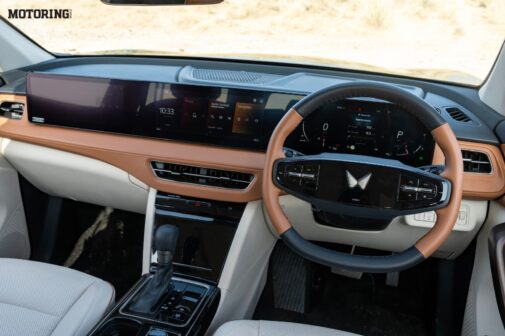
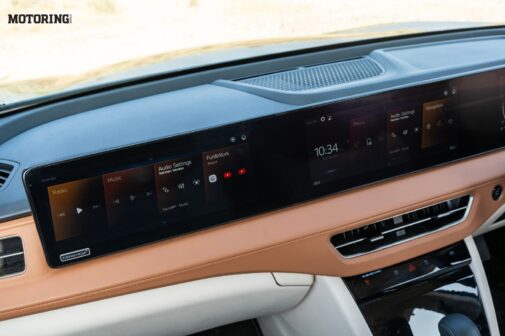
Step inside, and the most apparent change is the shift to a ‘coast-to-coast’ triple-screen layout. Mahindra has replaced the old setup with three 12.3-inch high-definition displays that span the entire dashboard, including a dedicated unit for the front passenger. While the tech is powered by a faster processor and feels fluid, the ergonomic trade-offs are noticeable. For instance, the physical climate control buttons have been replaced by a sleek, touch-based HVAC panel. It certainly declutters the centre console, but in practice, it’s a bit of a struggle to use on the go; without tactile feedback, making quick adjustments while driving requires more attention than it should.
The cabin aesthetics have also been refreshed with a new two-spoke steering wheel and updated upholstery. However, there’s a practical catch regarding the colour schemes. The top-tier AX7L variant comes with an ivory interior that looks airy and premium, but will undoubtedly be a task to keep clean in Indian conditions. Interestingly, if you step down to the AX7 trim, you get a much more sensible black interior, which might actually be the better choice for those who don’t want to spend every weekend detailing their seats.
Despite these usability quirks, the 7XO remains a feature-heavy space. It carries over the massive panoramic sunroof and ventilated front seats, while adding a 16-speaker Harman Kardon system with Dolby Atmos. You still get the chauffeur-friendly boss mode for the rear passenger and wireless charging, ensuring that while the interface has become more complex, the core comfort and convenience features that made the 700 a success are still very much present.
While the tech has moved forward, the physical footprint remains unchanged, which means the third row still feels somewhat compromised. Unlike its key rivals, the XUV 7XO’s second-row seats still don’t slide forward, limiting the ability to negotiate legroom for those in the back. As a result, the third row remains best suited for children or short city commutes. That said, Mahindra hasn’t ignored these passengers entirely; they still get dedicated air conditioning and Type-C charging ports, ensuring that while space is at a premium, convenience is not.
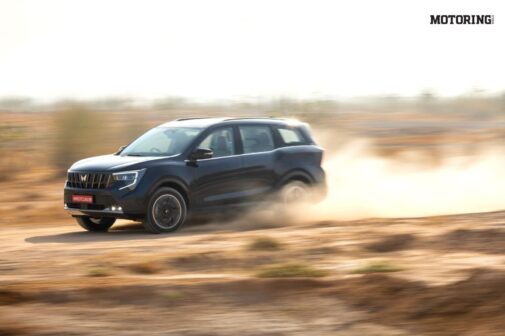
Under the hood, the XUV 7XO retains its familiar 2.0-litre petrol and 2.2-litre diesel engines, both paired with either a manual or a 6-speed torque-converter automatic. For this review, we sampled the 2.2-litre mHawk diesel with the automatic. This combination arguably remains the sweet spot for a car of this size. The motor is impressively refined for a diesel. At the same time, you’ll hear a distant hum as the needle climbs the tachometer; it never devolves into the agricultural clatter that plagues some of its rivals.
It is worth noting, however, that the automatic gearbox isn’t what you’d call a ‘lightning-quick’ shifter. When you’re flat out and rushing it, there is a discernible pause between shifts as the electronics take a beat to swap cogs. But that’s a scenario limited to track-style driving; in everyday city crawls and even during slightly spirited highway runs, the torque converter is well-calibrated. It’s a robust unit that feels perfectly in sync with the 7XO’s power delivery, providing a smooth, effortless experience that makes it a great partner for the long haul.
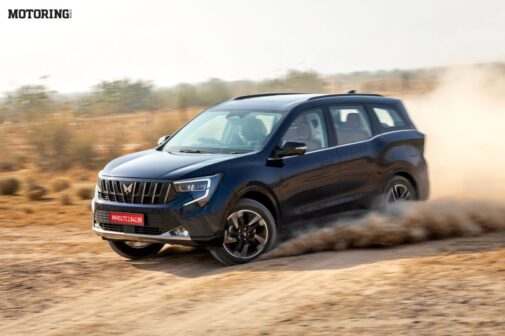
The most significant mechanical shift from the 700 to the XUV 7XO is the debut of the ‘DaVinci’ dampers. While it sounds high-concept, the goal is simple: ride quality. Unlike traditional dampers that use round discs, the DaVinci system uses a series of staggered, uniquely shaped plates. This mechanical cleverness allows the suspension to ‘decouple’ its response to different road forces. In the real world, this means that at low speeds or over jagged surfaces, the suspension softens up to filter out high-frequency vibrations, offering a much plusher ride for passengers.
As you pick up the pace, the system firms up, making the 7XO feel significantly more planted and stable on the highway. To handle the really rough stuff, Mahindra has also added hydraulic bump stops, which act as a cushion to prevent that jarring ‘thud’ when the suspension hits its limit. On the smooth tarmac of Rajasthan, the setup felt transformative, making the SUV feel more sophisticated and settled. However, the actual litmus test for this hardware remains the monsoon-battered, pothole-ridden roads of Maharashtra, where we will see whether the DaVinci tech is a genuine game-changer or just a clever refinement.
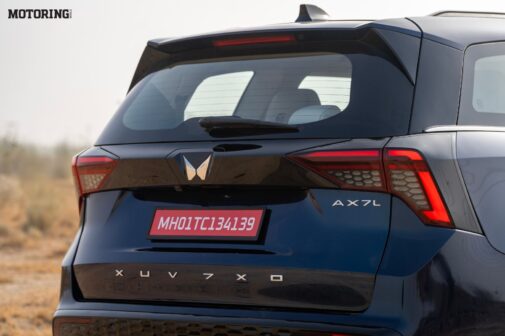
The XUV 7XO isn’t just a simple facelift; it’s a strategic move to keep Mahindra at the top of the leader board. By significantly upgrading the tech and refining the mechanicals, Mahindra has ensured that the 7XO stays a step ahead of the competition.
With prices ranging from ₹13.66 lakh to ₹24.11 lakh, it offers a combination of performance and features that is hard to beat in this segment. Whether it’s the massive triple-screen setup or the much-improved ride quality from the new dampers, the 7XO feels like a more mature and complete package than its predecessor.
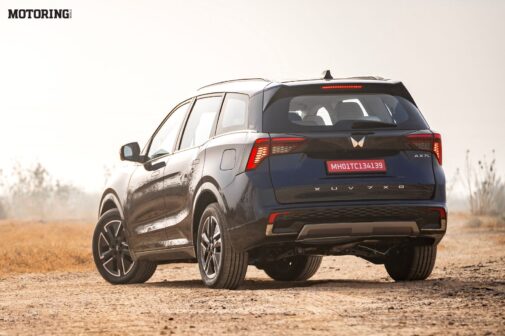
Mahindra already had a winner with the XUV 700, and this update only strengthens that position. If you’re looking for a sophisticated, high-performance SUV that packs the latest tech, the 7XO remains the benchmark in its class. It is, quite simply, the one to beat.