

When the Tata Punch first arrived on the Indian market a few years ago, few could have predicted just how disruptive it would become. In a short span of time, it rewrote the rulebook and went on to top the sales charts, breaking Maruti Suzuki’s decades-long dominance and becoming one of the most important cars in Tata Motors’ modern success story. The Punch became the brand’s bread-and-butter product, playing a pivotal role in Tata’s turnaround. Fast forward to today, and Tata Motors is back with an updated version of the Punch, which it claims is more refined, better equipped, and more confident than ever.
If there’s one area where Tata Motors deserves unreserved credit, it’s safety. Before we even got behind the wheel, Tata showcased a dramatic demonstration, a head-on collision involving the Punch and a full-size Tata truck. Now, keep in mind that this was not a standard crash test, because the truck was not moving; it was more of a visual marketing effort. Still, the structural integrity of the Punch remained, and even after the impact, the doors could be opened.
At a time when horrific road accidents are all too common, especially involving entry-level cars, Tata’s commitment to safety is commendable. The updated Punch now comes with six airbags as standard across all variants, a rarity in this segment. Add to that electronic stability control, hill-hold assist, tyre pressure monitoring, and strong crash-test credentials, and the Punch sets a benchmark.
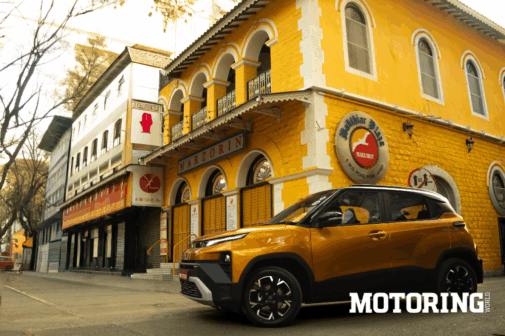
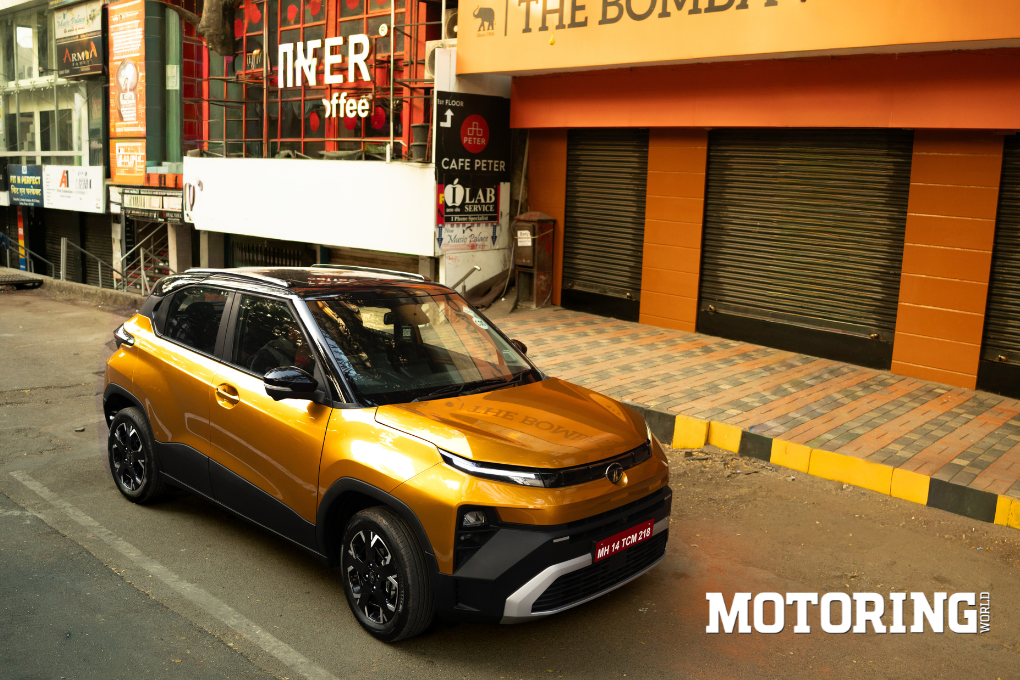
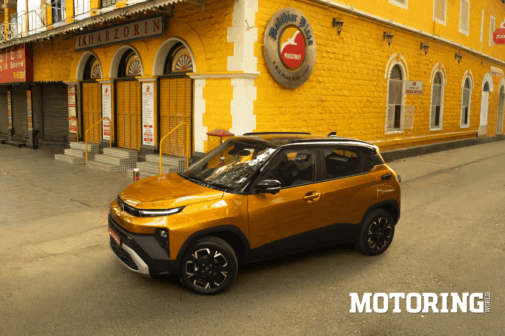
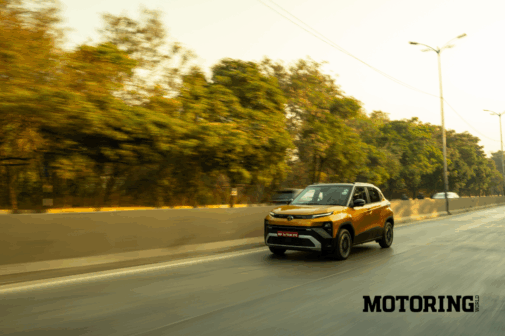
Design has always been one of the Punch’s strengths. Its compact-SUV stance, upright proportions, and playful character made it stand out in a sea of hatchbacks. The front fascia looks more upright and confident, with a redesigned grille and reworked bumper. One interesting detail is Tata’s use of 3D-printed elements in the bumper, allowing for more intricate surfacing and a cleaner finish. The car now gets LED headlamps and DRLs up front, while the rear features a connected LED tail-lamp setup that brings it in line with newer Tata models.
The Punch is now 49 mm longer than before, giving it a slightly wider stance visually, though the wheelbase remains unchanged. Higher variants ride on newly styled 16-inch alloy wheels, which suit the SUV’s character well and add a bit more visual muscle. Tata has also expanded the colour palette, introducing new shades like Caramel, Cyantafic, Bengal Rouge, and Coorg Clouds, alongside familiar options such as Pristine White and Daytona Grey. The result is a car that still looks fun and approachable, but also more mature and contemporary.
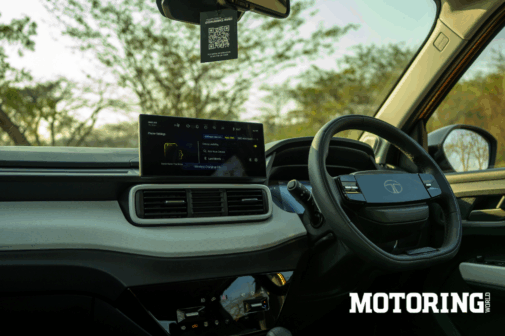
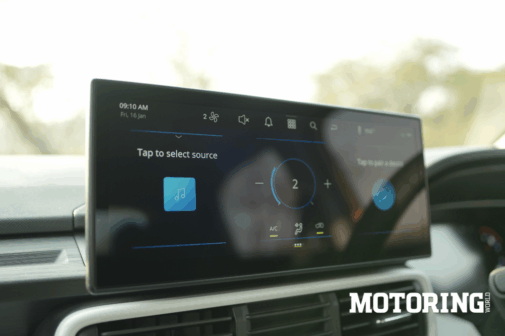
Inside, the improvements are immediately apparent. The dashboard layout has been refreshed with a dual-tone finish, better materials, and improved textures that lift the overall sense of quality. The highlight is the new 10.25-inch touchscreen infotainment system. It supports wireless Android Auto and Apple CarPlay and sits neatly at the centre of the dashboard. The interface is responsive, easy to use, and feels modern, something that wasn’t always a given in this segment.
Seat comfort has also improved significantly. Both front and rear seats now offer better thigh support, and the overall packaging remains one of the Punch’s strongest suits. Space utilisation is excellent for a car of this size, making it feel larger than it actually is.
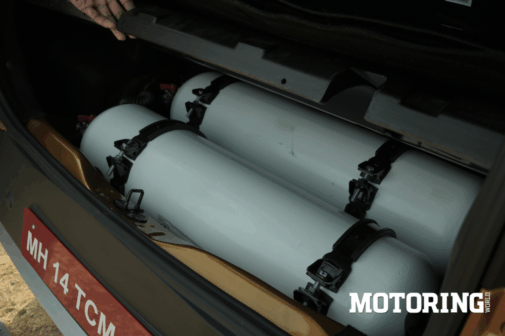
One clever solution continues to be Tata’s twin-cylinder CNG technology. Instead of a single large cylinder eating into boot space, Tata uses two smaller cylinders positioned under the floor, freeing up usable luggage space. As a result, the CNG version still offers a practical 210 litres of boot space, while pure petrol variants have a generous 366 litres.
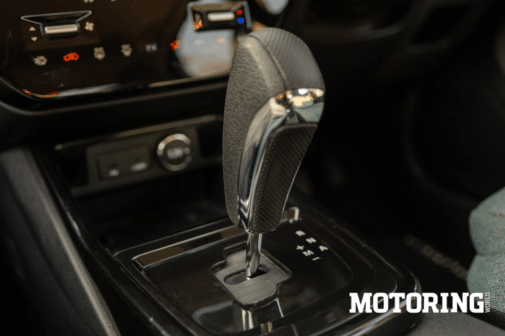
Tata has packed the Punch with features that genuinely improve daily usability. Depending on the variant, you get rear AC vents, wireless phone charging, automatic climate control, a front armrest, an air purifier, and a 360-degree camera. One small but thoughtful addition is the ‘Express Cool’ button. Press it, and the AC immediately goes into full blast with the temperature set to minimum – perfect for scorching summer days. It’s these small touches that make the Punch feel well thought-out.
The steering wheel has been updated to match Tata’s newer models, featuring the illuminated Tata logo. While the glossy black finish does attract fingerprints (keep a microfibre cloth handy), the presence of physical buttons for climate control is a big win in an age of touchscreen overload.
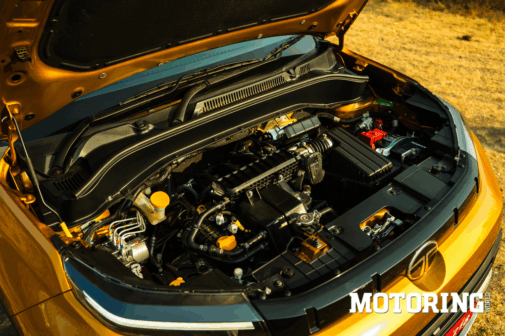
Tata has retained the familiar 1.2-litre naturally aspirated petrol engine, available with a manual or AMT gearbox, along with CNG variants for those prioritising fuel efficiency and running costs. The big news is the introduction of a 1.2-litre turbo-petrol engine, producing 120 bhp and 17.33 kgm, a massive jump for a car in this segment, also making it one of the most powerful units here. Paired with a six-speed manual gearbox, this engine finally gives the Punch a sense of character in terms of performance.
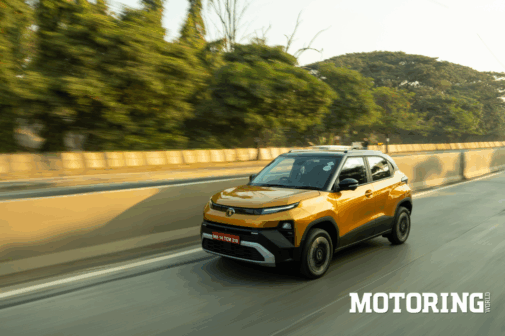
We got to drive the turbo-petrol variant on an autocross-style off-road track set up by Tata, and it genuinely surprised us. Power delivery is strong and usable across the rev range, the clutch is light, and the engine feels eager without being intimidating. The gearbox could be a touch slicker, but overall, it’s a very enjoyable setup. The naturally aspirated petrol remains a sensible choice for city driving, while the CNG-AMT combo makes a strong case for budget-conscious buyers looking for ease of use and low running costs.
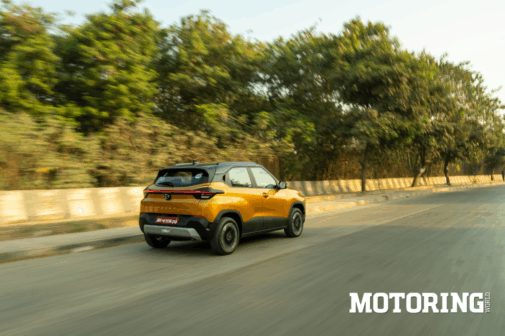
For a compact SUV, the Punch has always impressed with its ride quality, and this update builds on that reputation. The suspension setup strikes a good balance – it’s slightly on the firmer side, but never uncomfortable. On highways, the Punch feels planted and stable, not nervous or floaty like some small cars can be at speed. It absorbs bumps well, handles broken patches confidently, and keeps rear-seat passengers comfortable even over rough roads. Around corners, it remains predictable and sure-footed. Braking performance is adequate for normal use, though spirited drivers may wish for rear disc brakes instead of drums. That said, for its intended audience and price point, the setup works well.
Perhaps the most impressive part of the Tata Punch story is that despite all these upgrades, more safety, better interiors, new tech, and a powerful turbo engine, Tata has managed to keep pricing incredibly competitive. With prices starting at ₹5.59 lakh( ex-showroom), the Punch remains one of the best value-for-money cars in the Indian market today.
This combination of affordability, safety, practicality, and performance explains why the Punch continues to sell in massive numbers. Tata hasn’t tried to reinvent the wheel; it has refined what already worked and addressed areas that needed improvement. By strengthening its core attributes (safety, practicality, ride comfort, and value) while adding more features and a genuinely exciting turbo-petrol engine, Tata has ensured the Punch remains at the top of its game.