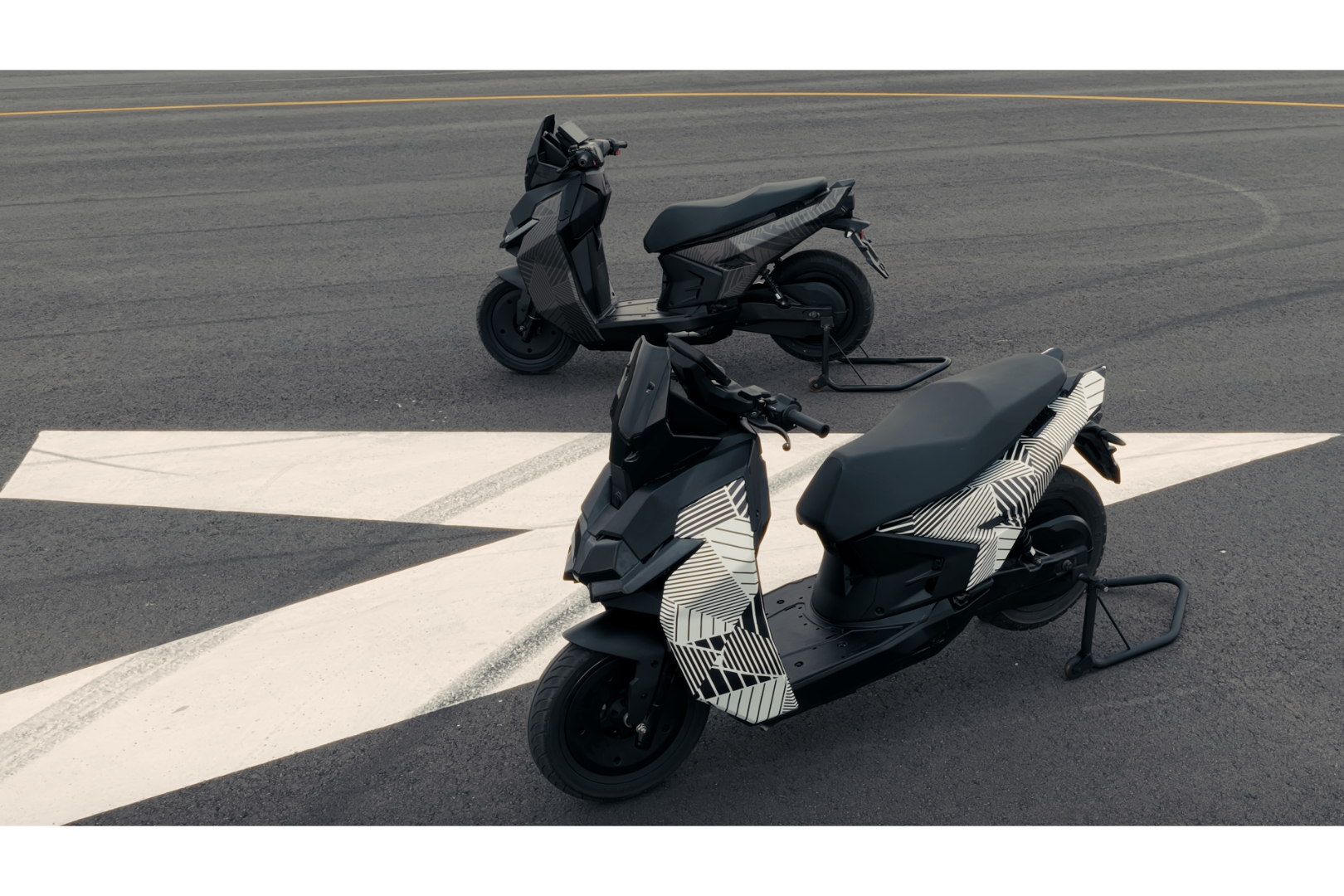


The Ultraviolette Tesseract is possibly the one of the most anticipated electric two-wheelers of the year since the brand unveiled the first prototype in March 2025. UV even promised to deliver the e-scooter in the first quarter of 2026. With half the year behind us already, there’s still no updates regarding the Tesseract’s debut… until now. Ultraviolette has officially announced the Tesseract will hit the streets in January 2027. While the delay may hurt customers, UV promises to deliver a better, future-proof scooter.
Ultraviolette Tesseract: Why the delay?
After the initial unveiling, the prototype was taken to 30 cities to collect feedback from thousands of potential customers. Real-world concerns and use-case-related issues were noted, and instead of rolling out the product, the Bengaluru-based company went back to the drawing board, fine-tuning every possible detail to make the Tesseract accessible for a wider range of audience.
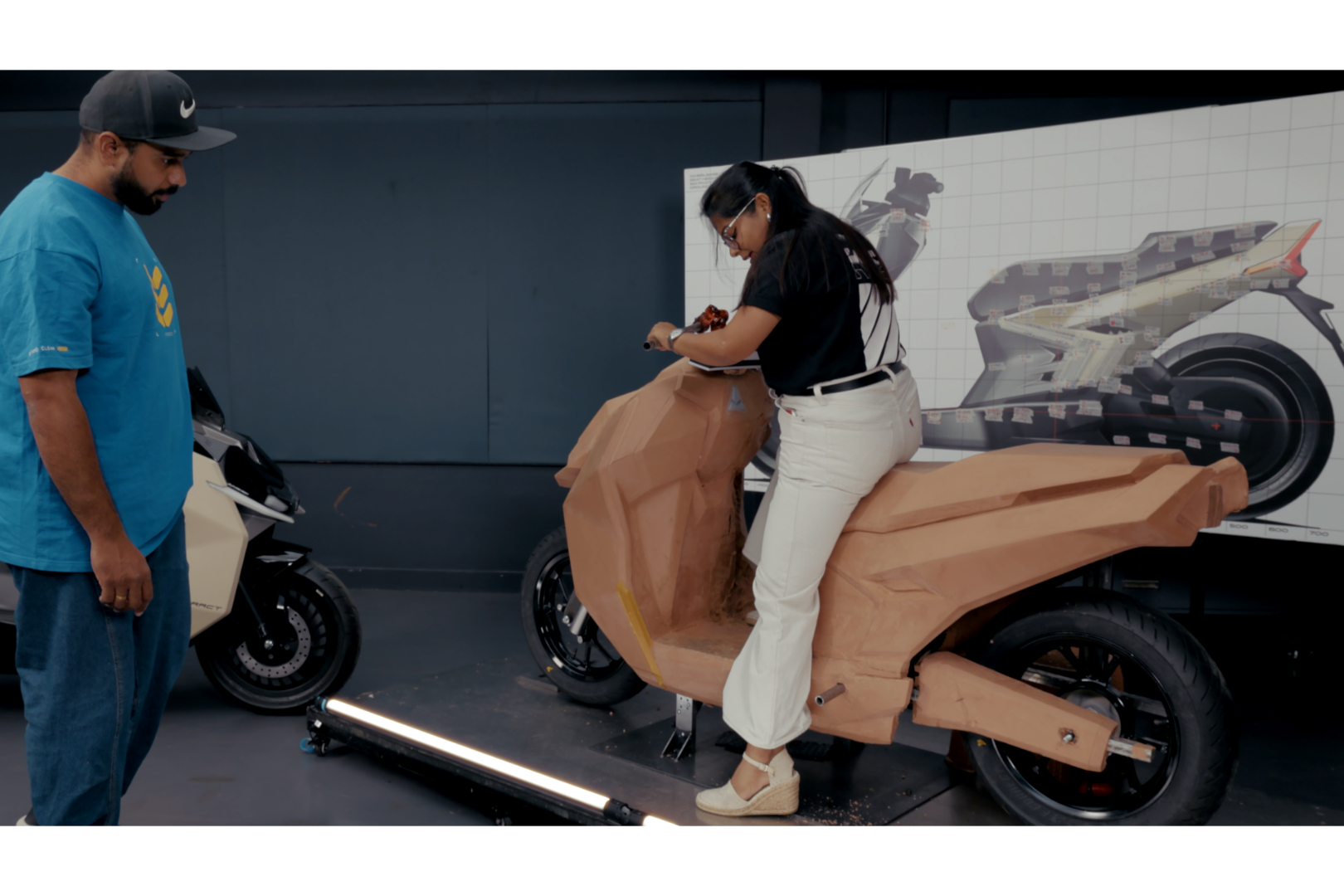
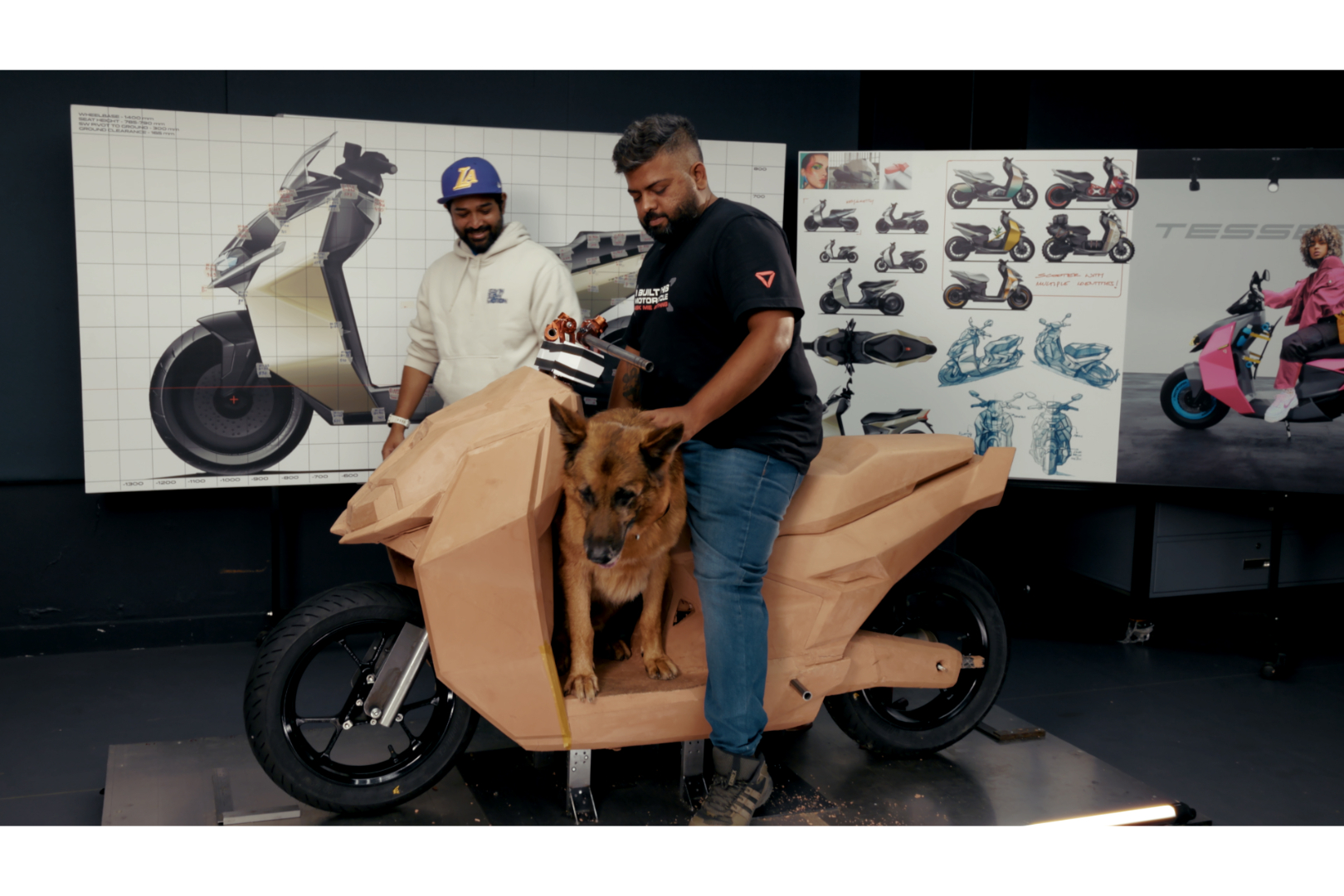
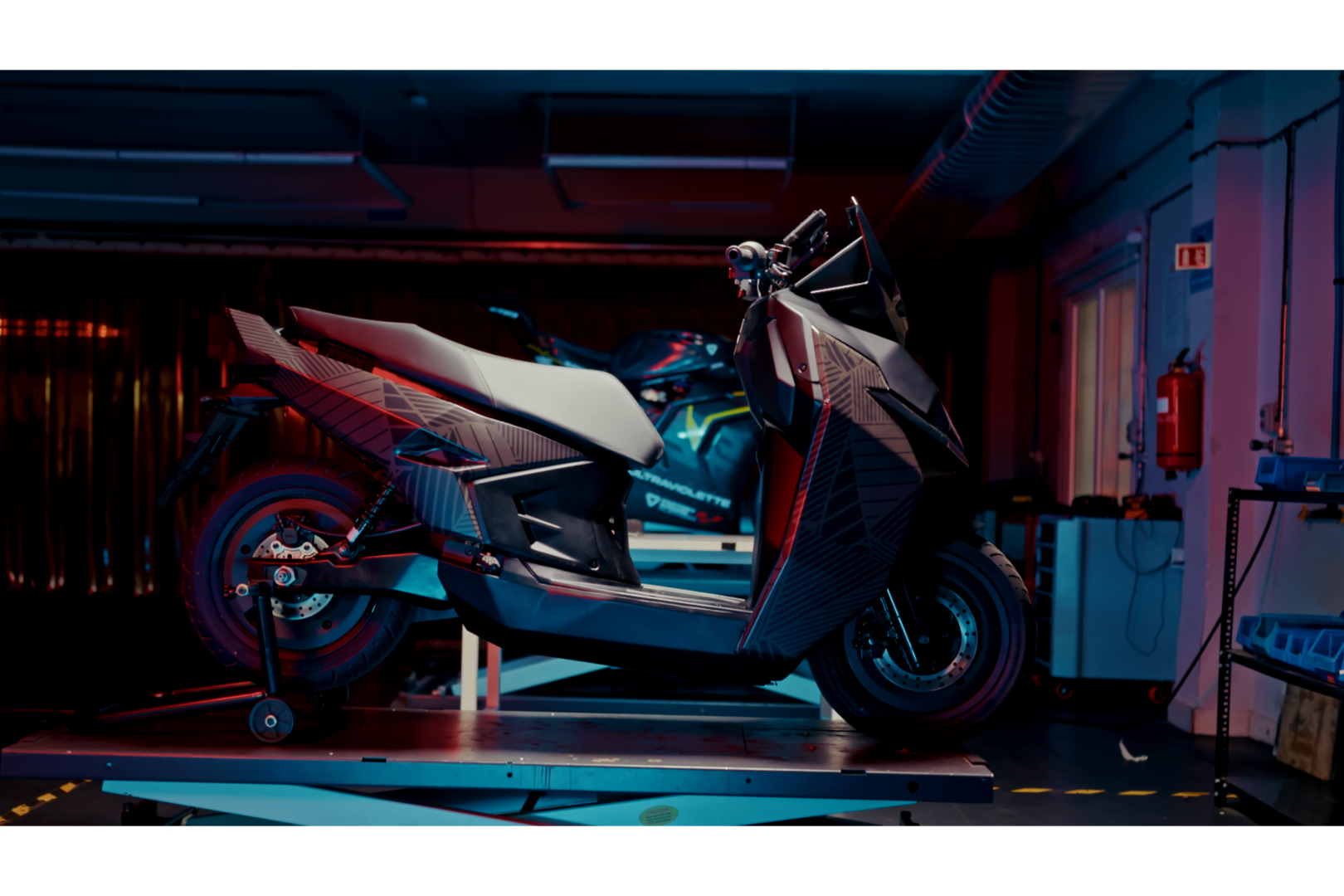
This meant reworking the seat to make it bigger and more accommodating for two-up riding. Then came the floorboard space — making it pet-friendly meant increasing the usable space, and so the front panels had to be redesigned. Even the height of the floorboard was reduced for better reach for shorter riders. But the challenge in doing so was the floorboard-mounted battery pack. Instead of compromising on range or battery performance for a quick fix, UV chose to build a completely new battery pack with better heat dissipation and performance, and a 100-volt architecture — a first for an e-scooter in the country.
And how will the Tesseract (and you) benefit from this 100V system? Compared to the 48-volt or the 72-volt systems typically used, the Tesseract’s will have better efficiency since the lower current will reduce resistance losses in wiring and electronics, meaning less wastage of energy. This also means faster charging, and UV promises twice the fast-charging capability. Since the system pulls less current for the same power, the motor controller and wiring can run cooler. And finally this system also allows for better performance.
The high-voltage system can feed the motor more effectively, allowing higher sustained speed, better performance under load (with pillion and/or luggage) and stronger acceleration. And that’s also one of the reasons for the delay — the performance. The promised 15 kW of peak power was difficult to sustain with the previous equipment, but now UV has fixed that, too.
Ultraviolette Tesseract: Will the update affect the price?
Despite the upgraded system architecture, changes to the ergonomics, comfort, and overall design execution, Ultraviolette will honor the benefits promised to the initial buyers. That means, the first 10,000 customers will get the Tesseract at Rs 1.20 lakh and the next 50,000 buyers will get it for Rs 1.30 lakh. While this is initial pricing, a detailed variant-wise pricing will be announced closer to the launch.
Ultraviolette Tesseract: How will deliveries be executed?
With 75,000+ bookings, one of the bigger concerns is delivery timelines once the scooter goes into production. Though the company is planning to begin deliveries in phases, plans to ramp up production are already in place.
While the existing plant will take up the production of the e-scooter initially, UV has also signed a MoU with the Government of Karnataka to set up a new plant with an annual capacity of 1.5 lakh units.
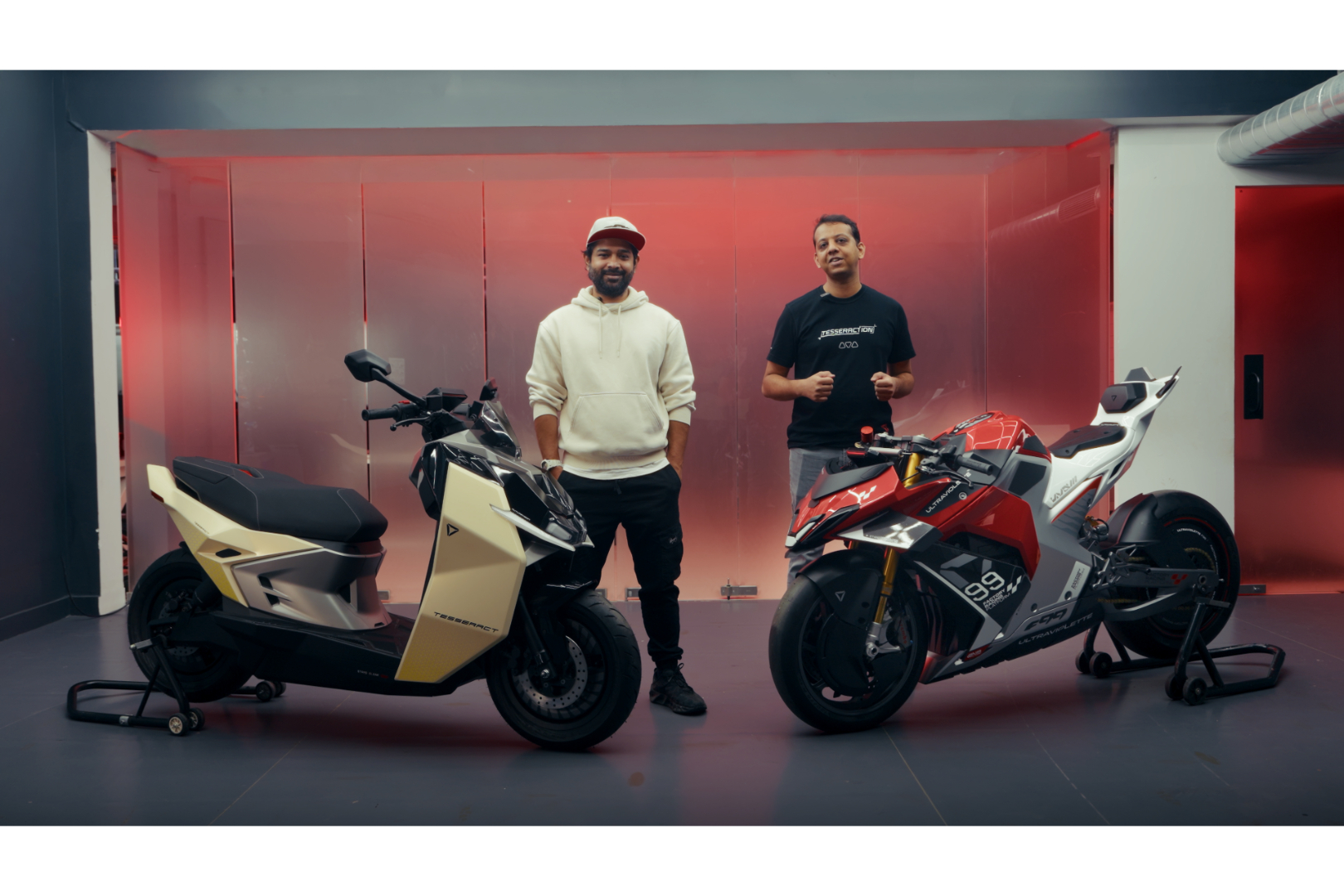
But here’s what’s concerning — the current plant makes about 500 units a month. Being modular, the same line is used for the F77, Superstreet and the X-47, and later for the Tesseract. While it is commendable that the young brand has already delivered 500 per cent year-on-year growth driven by the debut of the X-47, the production pressure of the new e-scooter with the growing demand of the electric ADV may be something difficult to juggle.
And that brings us to the Shockwave — the company’s dual-sport e-motorcycle that debuted along the Tesseract. Though the company hasn’t given an update yet, the official statement is expected in the coming weeks.