

Ask any rider who has spent 5 years or more on two-wheelers, and you will notice that owning a motorcycle is more than loving the joy of the ride. For experienced riders, protecting a motorcycle is a long-term commitment involving preventive care, smart decisions, and mindful planning. Over time, they develop habits that improve performance and durability while reducing unexpected costs and risks.
Whether you are a first-time motorcycle owner or someone looking to upgrade your riding habits, understanding what experienced riders do differently can help you make better ownership decisions.
Experienced Riders Choose Parking as Carefully as Routes
A new rider may park anywhere if they see a spot, but experienced owners know that where a bike is parked is as important as how it is ridden. Proper bike parking helps minimise the risk of loss and damage.
Experienced riders often prefer:
- Paid parking rather than a free spot.
- Covered areas to protect paint, electronics, and components from sun and rain.
- Well-lit locations with CCTV surveillance instead of a dark corner.
- Disc locks, handle locks, and anti-theft devices for added security.
- Parking spots away from crowded areas where dents and scratches are common.
Spending a few extra minutes choosing a safer parking spot may prevent costly repairs later.
Preventive Maintenance is Cheaper Than Emergency Repairs
A major difference between new and experienced riders is their approach to maintenance. An experienced rider will maintain the bike consistently according to the schedule, not just when there is a problem.
Regular maintenance includes:
- Chain lubrication.
- Timely engine oil changes.
- Spark plug checks
- Air filter cleaning and replacement.
- Battery condition checks.
- Clutch and brake oiling.
A rider who has faced an expensive breakdown never skips maintenance. Preventive care keeps the motorcycle reliable and supports maintaining fuel efficiency and resale value.
Tyres, Brakes and Fluids are Treated as Safety Equipment
Beginners may see tyres as an extra cost, but experienced riders treat tyres, brakes, and essential fluids as key safety components that connect them to the road.
They check:
- The tyre pressure once a week.
- The tread depth, as it may make braking unpredictable in rain.
- Under-inflated tyres, as they wear out faster and heat up on highways.
Similarly, brakes are inspected for:
- Pad condition.
- Brake fluid levels.
- Disc wear.
Coolant, engine oil, and brake lubricants are crucial fluids that an experienced rider checks to ensure smooth performance. All these small checks significantly improve rider safety and vehicle performance.
Modifications are Made with Reliability and Legality in Mind
Most riders modify their bike at some point. Enthusiasts personalise their bikes, but experienced riders make modifications carefully to improve daily use, like comfortable seats, better tyres, crash guards, and phone mounts.
Experienced riders usually evaluate whether a modification complies with local regulations, affects engine reliability, remains compatible with existing components and aligns with manufacturer recommendations before making any changes.
Improper modifications may affect bike performance, reduce efficiency, and sometimes influence insurance coverage during claims. Section 52 of the Motor Vehicles Act states that any modification that is not identical to the registration certificate (RC) is illegal.
Experienced riders also ensure that modifications are disclosed where required, since suitable bike insurance coverage works best when the vehicle’s specifications accurately reflect its condition and equipment.
Riding Gear Protects the Rider; Documentation Protects the Ownership Journey
Experienced riders wear gear—helmets, jackets, gloves, and boots—even on short rides, as they are vital to safety. They also understand the importance of maintaining proper documentation.
Experienced riders usually keep service records, insurance details and ownership documents organised because good documentation simplifies resale, servicing and future claims.
Experienced Riders Prepare for Theft and Accidental Damage
An experienced rider plans for the bad day before it arrives. However, they understand that some risks cannot be completely avoided, such as theft, natural calamities, and accidental damage, which can happen unexpectedly.
To reduce potential losses, experienced riders often install anti-theft systems, keep spare keys securely stored, use GPS trackers where appropriate, maintain organised documentation and ensure they have suitable insurance protection before problems arise.
They Understand Their Insurance Instead of Merely Renewing It
This is one of the biggest differences between a new owner and an experienced one. Many riders buy or renew their insurance without reviewing the policy details. Experienced owners take time to understand what their coverage includes and whether it suits their needs.
- Insured Declared Value (IDV): IDV refers to the current market value of the bike. IDV is the maximum amount an insurance company will pay out in compensation if the bike is stolen or damaged beyond repair. Choosing the right IDV ensures proper coverage.
- Zero Depreciation Cover: In a normal claim, the insurer deducts the depreciated value of parts, so you pay a chunk from your pocket. A zero depreciation bike insurance add-on removes most of that deduction, which is why it makes sense for newer and premium bikes.
- Understanding the Claim Process: Understanding the claims process makes everything clear in difficult situations. Experienced riders who understand cashless networks, the deductible amount, document prerequisites, timelines, and policy conditions are generally better prepared when they need assistance.
Electric Motorcycles Require a Different Ownership Checklist
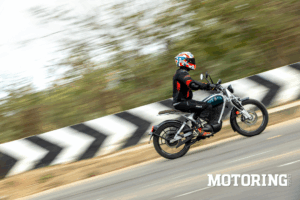
As electric motorcycles become more common, experienced riders recognise that their maintenance needs are different from conventional bikes.
Experienced electric-motorcycle owners typically pay closer attention to battery health, charging habits, software updates, electrical-system checks and battery-warranty conditions because these factors have a greater influence on long-term ownership than they do on conventional bikes.
Owners of electric motorcycles also need insurance coverage that accounts for battery systems and specialised components. The battery is the single most expensive part of an electric two-wheeler, so its warranty terms, the service network in your city, and whether your IDV reflects the battery’s value all matter more than they would on a petrol bike.
What New Riders Can Learn from Long-Term Owners?
Veteran riders know that motorcycle riding is entirely about being prepared, consistent, and making smart choices. They ensure that they are always practising preventive maintenance, safe riding practices, secure storage, paperwork, and insurance.
For new riders, a few simple habits can improve both safety and long-term ownership experience:
- Park with a little thought.
- Service on time instead of waiting for an issue.
- Read the insurance terms and conditions properly before signing.
- Treat tyres and brakes as safety parts, not merely any ordinary part.
These reduce expenses and make the ownership feel smoother over the long term. Protecting a motorcycle is not about dealing with problems – it is about planning and making smarter choices every day.