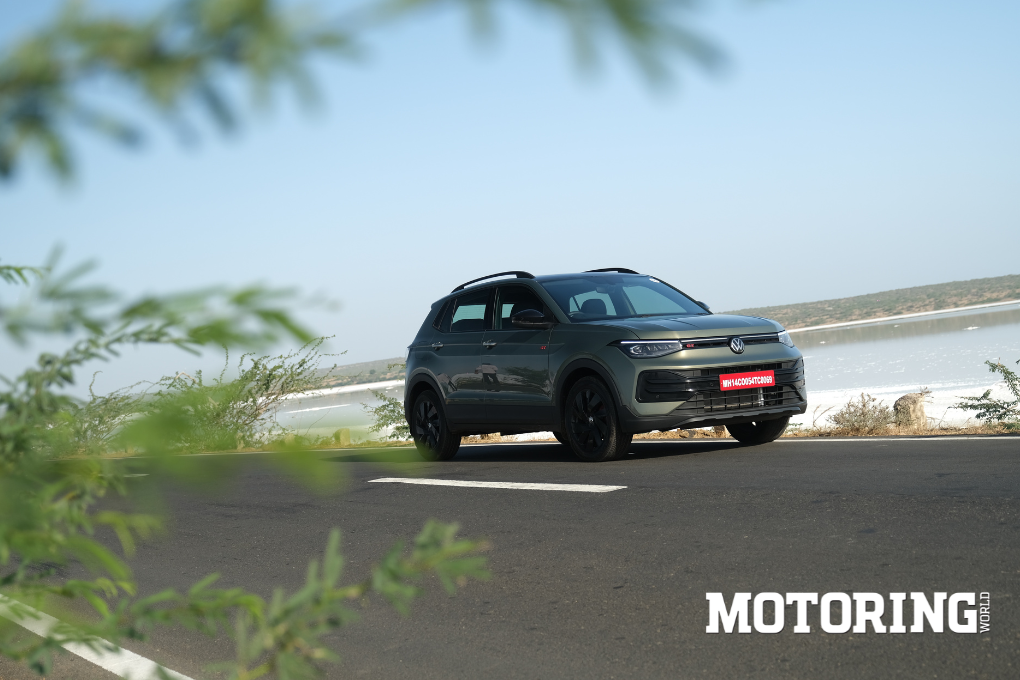


Peak summertime in the Rann of Kutch is a particular kind of punishment. The salt flats stretch white and blinding to the horizon, and stepping out of an air-conditioned car for longer than two minutes is something you do only once. Volkswagen chose this setting deliberately, handing over the keys to the updated Taigun in Dholavira, and pointing us 450 kilometres north-east towards Udaipur. If the car was going to struggle anywhere, it would be here.
Most media drives offer a quick loop; a briefing session, few hours behind the wheel, a buffet lunch, a press release. This was different. A full day of driving, from sunrise over the salt flats to evening in Rajasthan, through terrain that swings between smooth highway and deeply unpredictable back roads. It was a route that finds out what a car is actually made of.
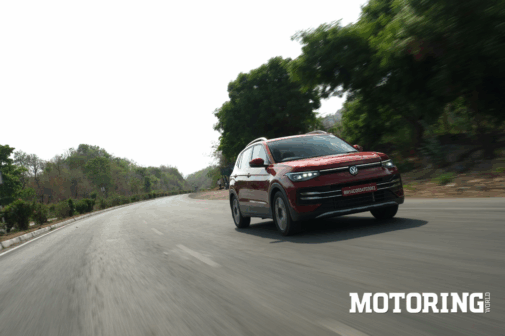
We flew into Bhuj the previous evening, overnighted, and made our way to Dholavira in the early hours. As the convoy of Taiguns lined up in the pale morning light, flamingos drifted across the sky overhead. It was otherworldly, and briefly cool. Then the sun came up properly, and any sense of romance evaporated.
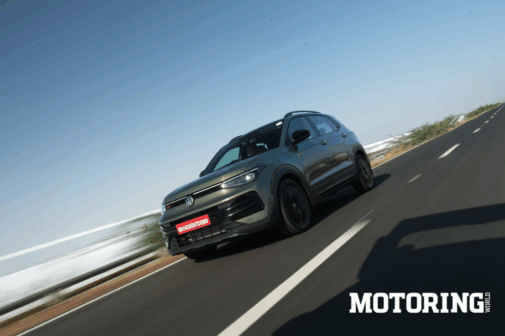
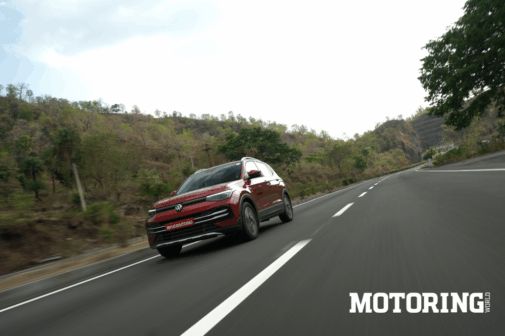
Setting off, the first thing that registers about the Taigun is how planted it feels. Gujarat’s roads here are unpredictable: long smooth stretches interrupted without warning by broken surfaces, and cattle — buffaloes, cows, the occasional goat — that appear in the road with complete indifference to oncoming traffic. Swerving around a buffalo at speed is not something you plan for, but the Taigun’s steering is precise enough and the chassis settled enough that these moments pass without drama. Call it an unofficial Indian moose test; the car handles it with composure. That solidity is Volkswagen’s signature. The Taigun has always felt built to a standard rather than a price point, and the updated car carries that through. Six airbags are fitted across all variants, and the five-star safety rating remains intact.
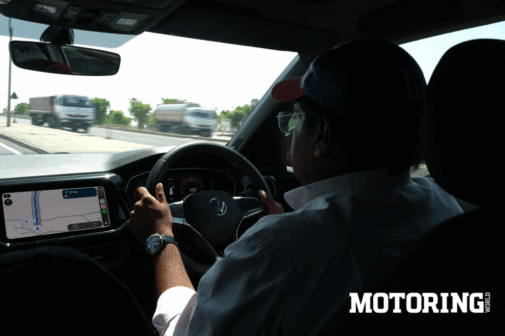
By mid-morning, with a few hundred kilometres behind us, the cabin had become a familiar space. Volkswagen has updated the interior meaningfully. The new 10.1-inch touchscreen is well-resolved and fast to respond, sitting alongside a 10.25-inch digital instrument cluster. Navigation, driving data, media controls are all clearly laid out. Wireless Android Auto and Apple CarPlay are present, and a voice assistant activated by saying ‘Hello Volkswagen’ handles queries from fuel range to cabin functions. Like most voice systems, it works best when used for simple commands.
The touchscreen AC controls are worth a mention, and not entirely favourably. Adjusting blower speed requires more concentration than it should when you are moving. Physical controls would serve better here. The ventilated seats, though, are exactly right, and crucially, they are operated by physical buttons. Press once, and within seconds the cooling effect is immediate. In forty-degree heat, this single feature earns its keep several times over.
The seat upholstery has been updated, and the bolstering is more supportive than before, holding you in position through longer stints without becoming oppressive. Rear passengers are looked after with dedicated AC vents, and 385 litres of boot space expands to over 1,400 litres with the seats folded flat.
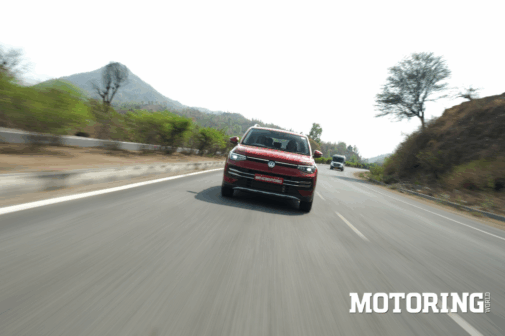
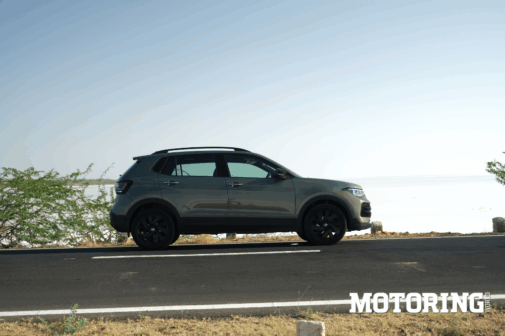
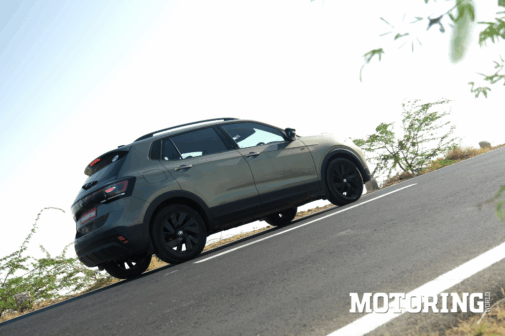
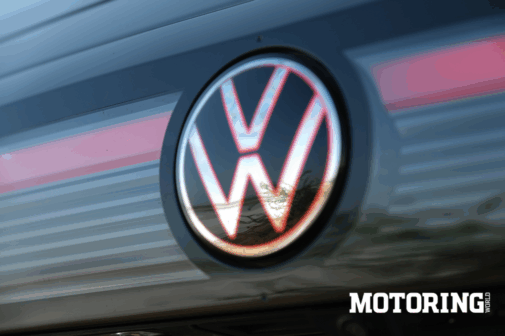
On the design front, Volkswagen has not overhauled the Taigun so much as refined it. The front gains a light bar integrated into the grille, bringing the car in line with the brand’s current global SUV language. The surfaces are cleaner and the front fascia more cohesive as a result. At the rear, a new light bar connects the tail-lamps, giving the car a sense of width and a more deliberate look. Illuminated Volkswagen badges front and rear animate subtly on locking and unlocking. The silhouette itself is unchanged; the proportions were right before and remain so. The Taigun is a car designed to age gracefully, which is consistent with how Volkswagen has always approached this segment.
Under the bonnet, the engine lineup carries over. The 1-litre, three-cylinder turbo produces 114 bhp and 17.8 kgm of torque, available in either six-speed manual or eight-speed automatic. The 1.5-litre four-cylinder puts out 148 bhp and 25.5 kgm, paired with a six-speed manual or seven-speed DSG. For the purposes of this drive, the 1-litre automatic covered most of the distance. On paper, the numbers read as modest; on the road, the engine pulls cleanly and efficiently, with enough reserve to make overtaking on open highway relaxed rather than planned. The 1.5-litre, where sampled, brings a noticeably stronger character and suits anyone who wants a more engaged drive.
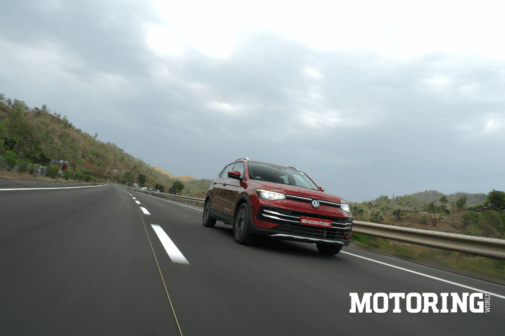
Across 450 kilometres, the Taigun never felt taxed. The ride absorbs broken surfaces without crashing through them, and highway stability at speed is reassuring. NVH levels are well-managed; road and wind noise stay in the background, which matters on a drive of this length. Fatigue sets in quickly on long runs in cars that fight you, and the Taigun does not fight. By the time Udaipur appeared, hours after leaving the salt flats, the drive felt finished rather than survived.
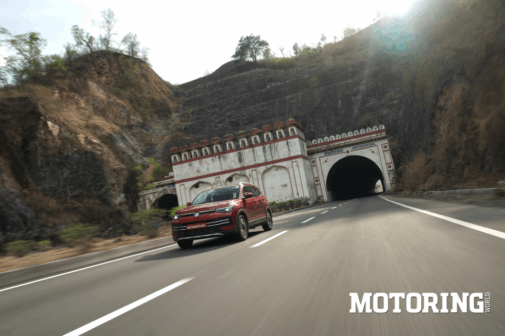
The updated Taigun is a measured piece of work. The changes are considered rather than comprehensive, and the fundamentals that made the original worth buying are all present. Volkswagen has used this update to address specific gaps — the interior technology, the ventilated seats, the visual cohesion front and rear — without unsettling a package that already worked. Out on the open road, covering real distance in real heat, it holds up exactly as it should.