

Lexus has given the NX a fairly substantial update for 2027, and there’s one big change hiding underneath the sharper new styling: the petrol-only version is gone. The updated NX will now be offered exclusively with hybrid powertrains, while the plug-in hybrid NX 450h+ gets a larger battery, more power and, for the first time, DC fast charging.
The biggest change to the range is the disappearance of the NX 350, which used a 2.4-litre turbocharged four-cylinder petrol engine. In its place, the 2027 range will consist of the NX 350h and NX 450h+. Both use a 2.5-litre four-cylinder petrol engine paired with an electronically controlled CVT. The NX 350h makes around 241 bhp and will continue to be available with either front- or all-wheel drive.
The NX 450h+ gets the more interesting upgrades. Lexus has fitted it with a new, more compact e-axle that combines the electric motor, transaxle and power-control unit into a single package. It also gets a new lithium-ion battery with 30 per cent more capacity and eight per cent more output than before. System output rises to around 322 bhp, while electric range increases to more than 85 km.
Even more importantly, the plug-in hybrid can now use DC fast charging. Lexus says the battery can be charged from 10 to 80 per cent in around 30 minutes, making the NX 450h+ considerably more convenient for longer journeys. In Europe, Lexus quotes more than 100 km of electric range under provisional WLTP testing.

Lexus has also made a number of changes underneath the skin. The battery cells have been rearranged from a longitudinal to a transverse layout, while the battery itself sits lower in the car. The company says this improves body rigidity and lowers the centre of gravity. There are also additional reinforcements to the body, suspension towers and floor structure, along with changes to the suspension and steering.
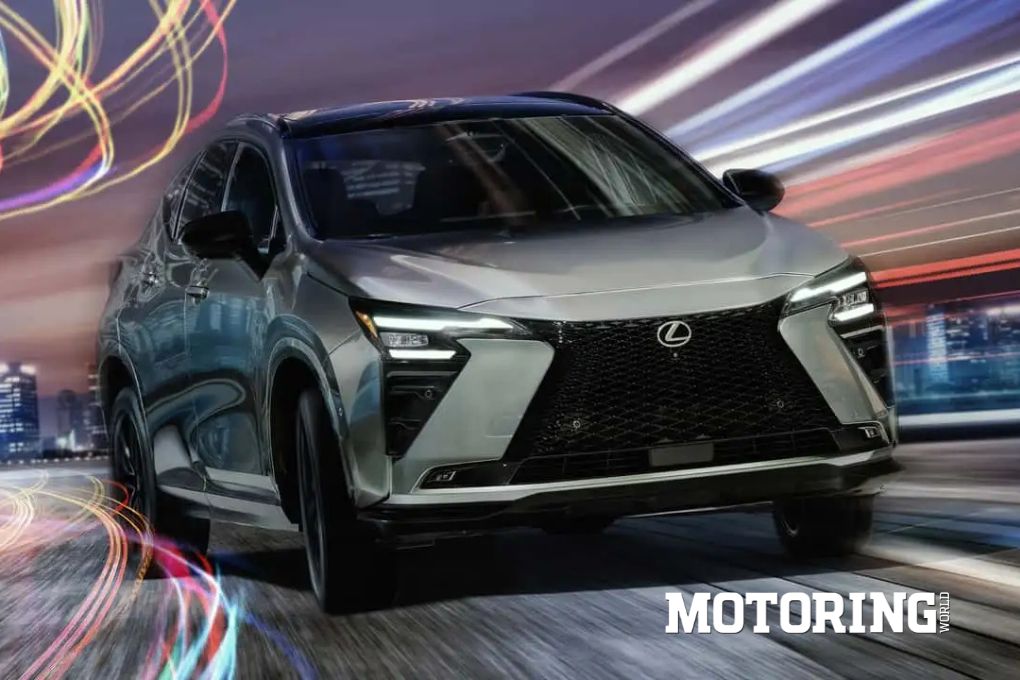
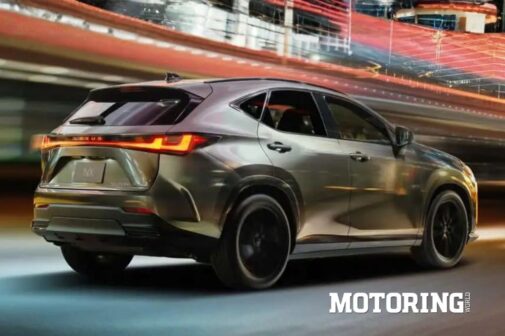
The exterior changes are less dramatic but give the NX a noticeably fresher face. The headlights now visually connect to the wider grille, while the front bumper gets cleaner detailing. At the rear, there are new L-shaped tail-lamps that stretch across the tailgate, along with an illuminated Lexus badge. Two new exterior colours, Shaded Ivy and Incognito, have also been added.
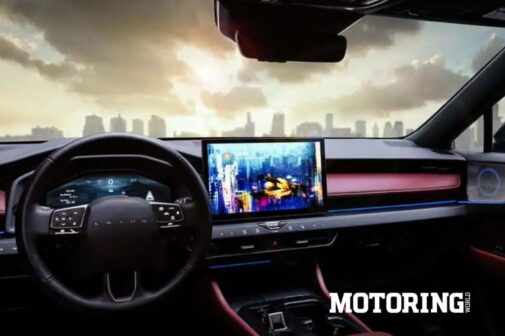
Inside, the NX gets a much cleaner dashboard dominated by a standard 14-inch touchscreen. It sits above a redesigned dashboard, while a 12.3-inch digital instrument cluster sits behind the steering wheel. The centre console has been tidied up too, with the conventional gear selector replaced by a smaller toggle switch.
Higher-spec versions get Lexus’ new Sensory Concierge system, which can coordinate the cabin lighting, audio, climate control, seat temperature and even fragrance to create different interior environments. There are also new interior colour options, while the latest Lexus Safety System+ 4.0 brings a wider range of driver-assistance features.
The updated NX is expected to go on sale towards the end of 2026, with pricing to be announced closer to launch. For India, the current NX is already sold exclusively as the NX 350h, so the move to an all-hybrid line-up elsewhere could make the updated model particularly relevant here if Lexus decides to bring it to our market.
For now, though, there’s no confirmed Indian launch date. What is clear is that Lexus is doubling down on hybrid power for one of its most important SUVs, while giving the NX 450h+ the sort of charging capability that makes a plug-in hybrid considerably easier to live with.