

The Bristol Fighter was first unveiled in 2003, with production beginning a year later, and it was about as unconventional as British supercars got. Developed by Bristol Cars as a successor to the Blenheim, the Fighter combined a lightweight aluminium structure with gullwing doors and, most importantly, an enormous 8-litre V10 borrowed from the Dodge Viper. Production numbers were tiny, and Bristol eventually disappeared before the Fighter could make much of a mark.
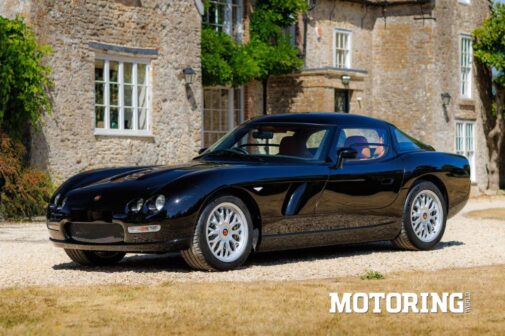
Now, more than two decades after the Fighter was first unveiled, Bristol Cars is bringing it back. And rather than creating a modern interpretation of the name, the company is going back to unfinished business, completing five original Fighter chassis that were left unused when production ended.
Bristol was never a conventional carmaker. Born out of the Bristol Aeroplane Company in 1945, the marque built cars in tiny numbers and developed a reputation for engineering-led, understated luxury. Its cars were often powered by big American engines and were aimed at customers who preferred keeping their motoring tastes away from the mainstream. The Fighter was perhaps the ultimate expression of that philosophy.
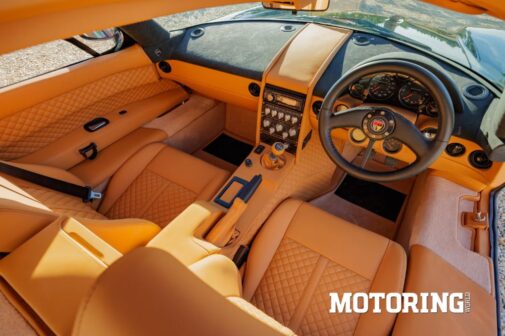
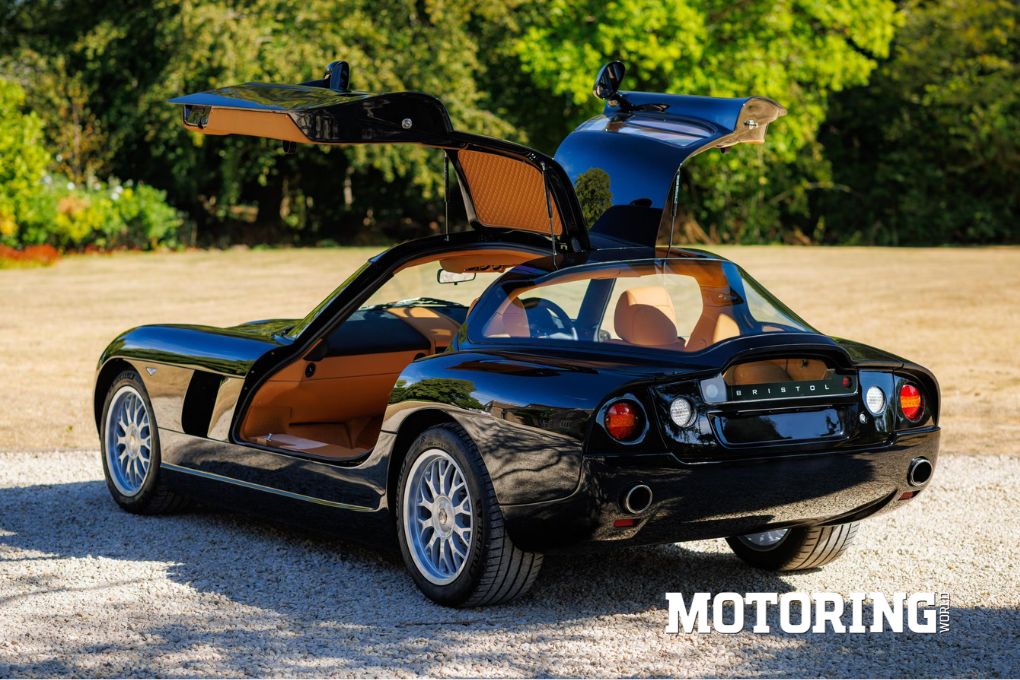
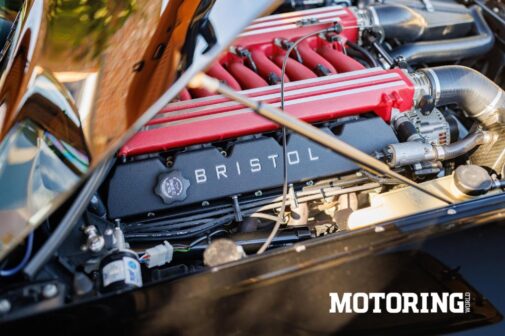
Under its long bonnet sat an 8-litre V10 derived from the engine used in the Dodge Viper. In standard form it produced 525 bhp, while a hotter version developed 600 bhp. Bristol claimed a top speed of 210 mph, or around 338 kph, making the Fighter properly rapid even by modern standards. Its long, low body, dramatic gullwing doors and two-seat cabin gave it plenty of presence, although its rarity meant very few people ever got to experience one.
Production continued in tiny numbers before Bristol entered administration in 2011. Only around a dozen Fighters were completed, making it one of the rarest British supercars of the modern era.
Now, Bristol Cars has found five unused original Fighter chassis and plans to complete them, effectively finishing a chapter that was left open when the company shut down. The first of these cars has already been completed and unveiled at Salon Prive, finished in black with a tan leather interior.
The new cars aren’t modernised restomods, either. They are being built to the original specification, using the existing chassis and original engineering drawings. Buyers of the remaining four cars will be able to specify their cars individually, including choosing between left- and right-hand drive. Bristol will work with a specialist British manufacturing partner to hand-build the cars.
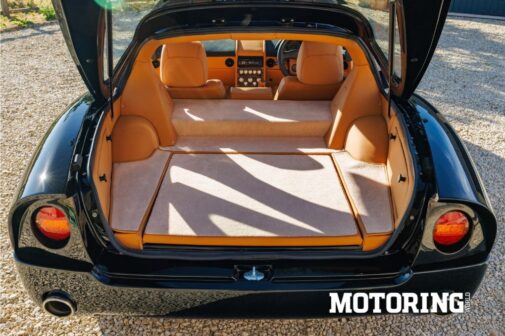
And thankfully, the recipe remains gloriously old-school. There is still that huge 8-litre V10 up front, still sending power through the drivetrain without any attempt to turn the Fighter into something more sensible. Buyers can choose the 525 bhp version or opt for the 600 bhp specification, while Bristol retains the original car’s claimed 338 kph top whack.
The revived Fighter is more than just a tiny batch of ultra-rare supercars, though. Bristol says completing these five cars is the first step in a wider comeback for the marque. After years of false starts, the company is choosing to reconnect with its past before deciding what comes next. An all-new supercar maybe? That would be something.