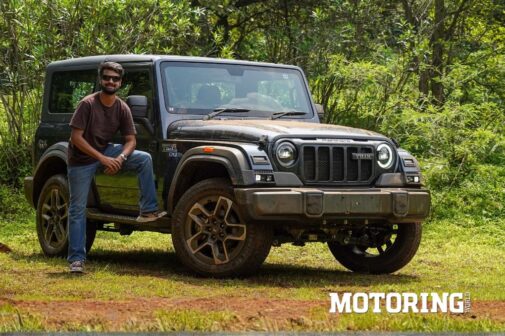


Nobody, and I mean nobody, expected the Thar facelift to come with this many mechanical upgrades. To simply call it a facelift is a huge understatement, because this is a lot more than that. This is a thorough reworking of the Thar, one that brings with it a sharper, more modern look, better underpinnings and a bunch of new features that make life easier inside. In fact, this is the update we’ve been asking for. And finally, a year after Mahindra updated the Thar, comes the OG (yes, Mahindra really is calling it that).
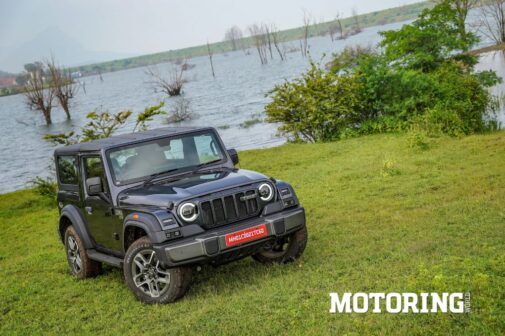
I must’ve put a gazillion miles on the very first 2020 Thar, and I know that vehicle like the back of my hand, so getting behind the wheel of the OG and discovering just how much has changed underneath was particularly satisfying. This isn’t Mahindra throwing on a new grille, adding a couple of features and calling it a day. There’s some serious engineering lurking underneath that familiar shape. But before I get into the meat of the matter, let me tell you what’s changed on the styling front, what’s new on the inside and what’s with that rather interesting name.
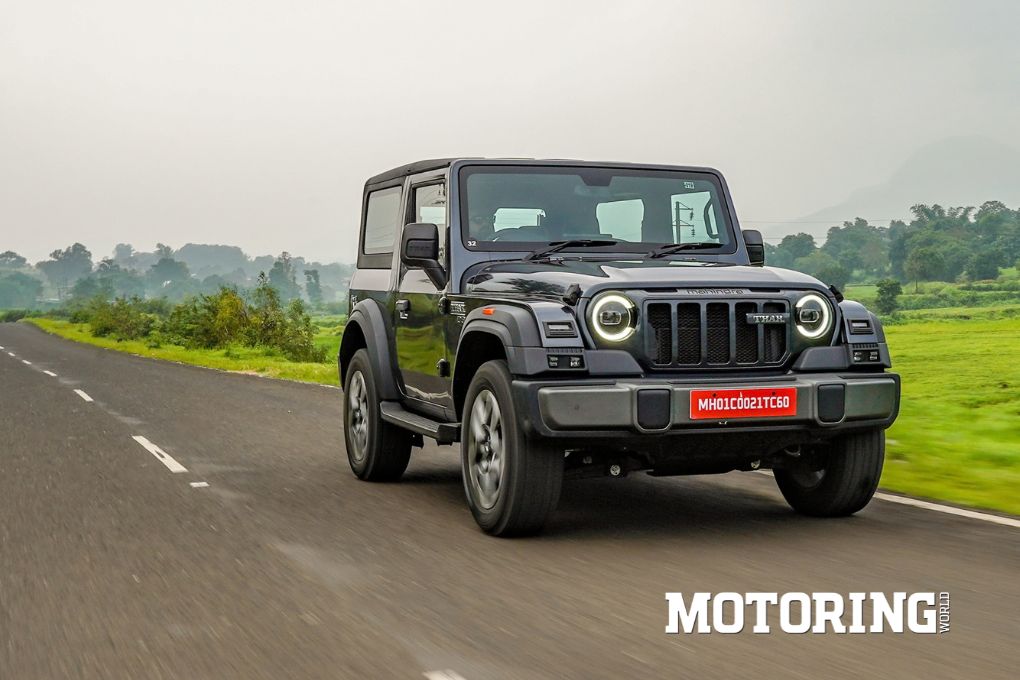
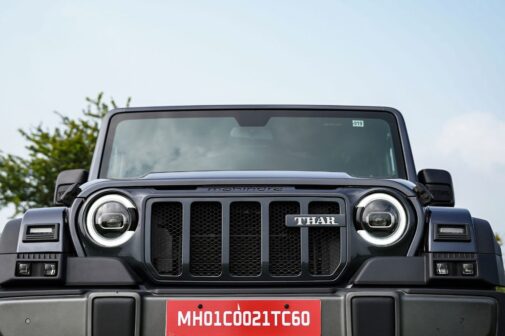
It’s easy to tell the OG apart from its predecessor, more so from up front, where there’s a new five-slat grille with a ‘Thar’ moniker, a sleeker new bumper and LED headlights with C-shaped DRLs borrowed from the Roxx. The OG also gets fog lights and cornering lights.
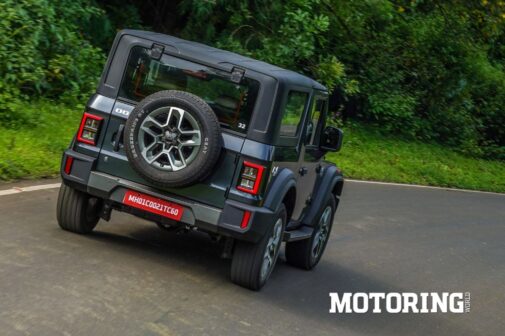
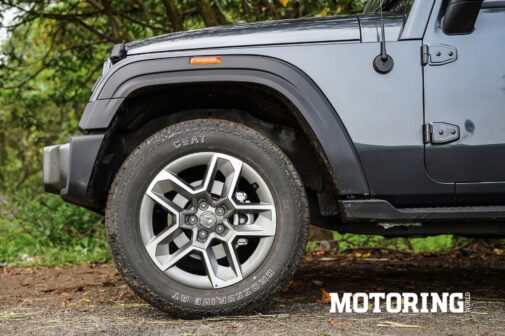
In profile, the top-end variant now rides on 19-inch alloys with a completely new design, and hiding behind those rear alloys are new disc brakes — more on those later. At the rear, there’s another sleeker bumper, revised tail lights and an OG logo on the tailgate. Everything else, thankfully, remains unchanged. That boxy silhouette, the upright stance, the sheer butch nature of it — it’s all still there, only now wrapped in a much more modern and mature package. I’d say Mahindra has nailed it.
You realise that the moment you start driving, because the Thar continues to grab eyeballs wherever it goes. It may have grown up, but it certainly hasn’t lost its swagger.
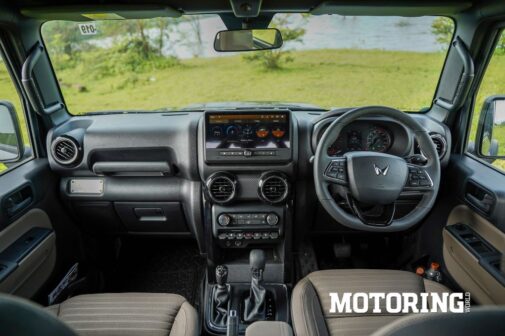
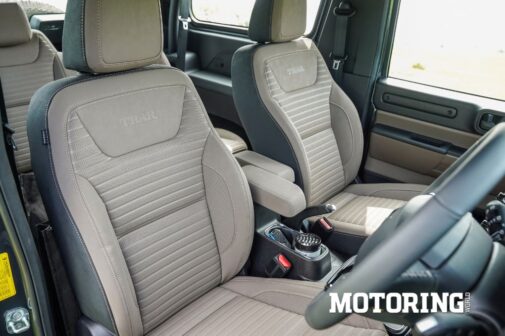
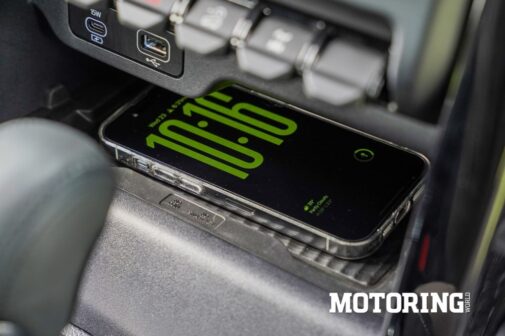
Step inside and the changes are less dramatic, but they make a meaningful difference. There are new truffle-brown leatherette seats, a wireless charging pad for your phone and a new start-stop button on the steering column.
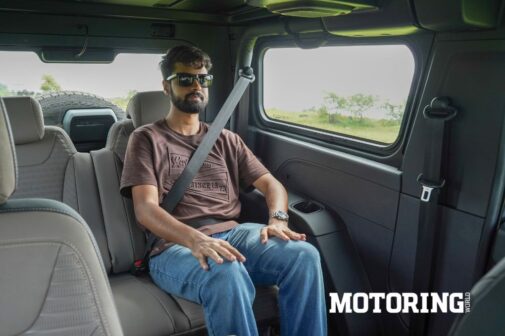
The rear seats now get an armrest with cup holders and a recline function, and combined with the new suspension, they have definitely made the second row a more comfortable place to spend time. Mahindra has also added front parking sensors, six airbags and disc brakes at the rear. The Thar has become a considerably more rounded package.
Up next, the name. Mahindra says it’s called the OG because the styling changes are inspired by Mahindras of the past, and I can definitely see the resemblance. The name, though? I’m not entirely sold on it. Then again, many of us weren’t sure about the Roxx tag when it was slapped onto the five-door Thar, and look where we are now — many of us have grown to quite like it. So yes, the OG tag might feel a bit weird initially, but I reckon it’ll grow on us. Stranger things have happened.
Finally, the meat of the matter, which, surprisingly, wasn’t even on our cards: the new mechanical bits. This is where things get properly interesting. There are plenty of changes under the skin, starting with the underpinnings. The Thar OG sits on the same M Glyde 4G platform as the Roxx, which is lighter and has better torsional rigidity. It also brings with it a wider track for better stability. On the suspension front, it gets a new Pentalink setup at the rear with a Watt’s linkage, along with DaVinci dampers with frequency-dependent damping, and boy, has it made a big difference.

There’s also a new electric power-assisted steering system that ditches the old hydraulic unit, along with an electronic locking differential at the rear, and multiple terrain modes (Sand, Snow and Mud). Yes, those are some heavy-duty updates for something that, at first glance, could easily be mistaken for a mild facelift. But Mahindra hasn’t stopped there.
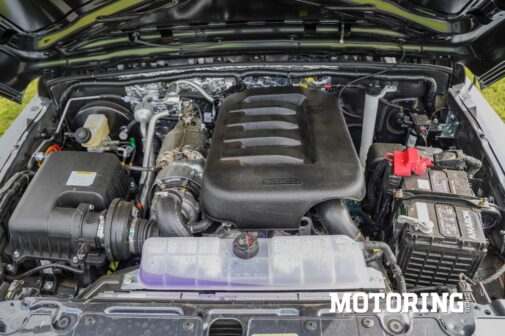
It has also given the engines more power by tweaking the ECUs. Both the mStallion petrol and mHawk diesel mills now make 159 bhp and 150 bhp, respectively — a gain of around 10 per cent — and both have been optimised for better refinement. The 1.5-litre CRDe mill on the rear-wheel-drive variant, though, continues with the same power outputs as earlier, but it can now be had with a six-speed automatic gearbox. So how does all of this feel out on the road and off it?
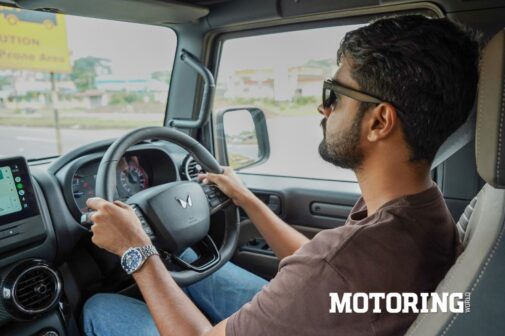
Right off the starter blocks, the first thing you notice is the lightness of the steering wheel. Turning it is a piece of cake, especially when you’re off-roading, and it no longer requires you to have 16-inch biceps. Mahindra has done a very good job with the calibration, too. It’s light without feeling overly so at low speeds, but picks up a good amount of weight as you start going faster. And dare I say, it feels more direct and definitely more confidence-inspiring than the hydraulic setup. That’s quite a statement when you consider how familiar the old Thar’s steering has become to anyone who has spent serious time behind its wheel.

The highlight for me, though, is the suspension. The Thar OG rides a lot better than its predecessor, and that’s evident the moment you hit bad roads. It has better body control and far less kickback from the suspension. The pitter-patter of the body-on-frame chassis that you experienced in the older Thar is drastically reduced, and that’s really commendable. The old Thar had a certain charm to its rough edges, but you always knew you were driving something built to take a beating. The OG still has that underlying toughness, but it no longer feels like it needs to beat you up to prove it. Yes, it isn’t buttery smooth or floaty-soft, but it’s a big improvement over the older car. That’s exactly what you want from a Thar — something that can shrug off a bad road without making a meal of your spine.
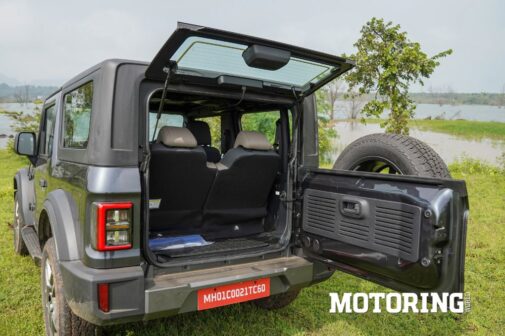
The Watt’s linkage on the rear axle reduces lateral movement, which helps with stability and improves cornering. Put all these changes together and the transformation is cohesive. The Thar OG not only feels comfier, but also a lot more surefooted than before. It tracks better, settles down quicker and feels considerably more planted when you start leaning on it. It’s a much better road car and, importantly, an even more capable off-roader. The four-wheel-drive models also benefit from an e-locking rear differential, which comes in handy when you’re dealing with those really tricky, sticky situations off the road. When traction gets scarce, the surface gets loose and things start getting messy, that extra bit of assistance can make all the difference.
That, ultimately, is what makes the OG interesting. Mahindra hasn’t tried to reinvent the Thar. It has taken what people already love about it and gone after the things that could be better. The result is a Thar that feels less compromised, without losing the character that made the original such a phenomenon in the first place.
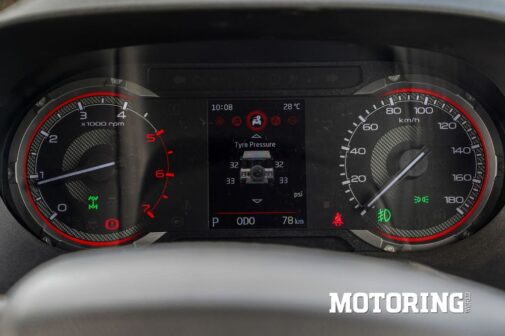
After spending time with the Thar OG, it’s clear that this is far more than a facelift. It looks better, feels more modern and is better equipped, but more importantly, it has become mechanically better. The changes have made it more comfortable, more stable, more confidence-inspiring on the road and even more capable when the tarmac runs out. Add the improved refinement and the much-needed additions inside, and the Thar OG finally feels like the thoroughly sorted Thar we’ve been waiting for. It still looks like the Thar we know, still has that unmistakable presence and still turns more heads. But now, there’s considerably more substance behind all that macho-ness.
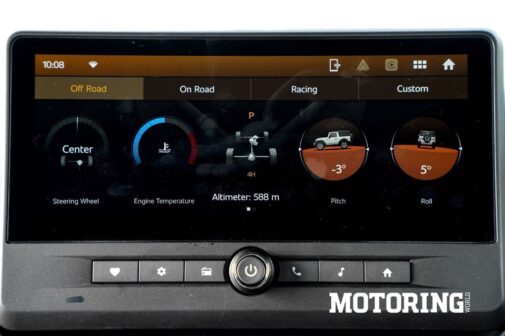
Then comes the real kicker. Despite all these changes, Mahindra hasn’t hiked its price. The Thar OG starts at Rs 10.32 lakh and goes up to around Rs 19.5 lakh (ex-showroom), which is pretty much where the previous car sat. So you’re getting a better-looking, better-equipped and fundamentally better-engineered Thar without paying a premium for all the engineering that has gone into making it better. That, in my book, is the cherry on top. We wanted a Thar that rode better. We wanted one that steered better. We wanted more refinement, more equipment and, frankly, fewer compromises without losing the character that made the Thar what it is. Mahindra listened, went back to the drawing board and delivered.